Key points of spring green onion planting and management methods
Scallions are one of the most common seasonings in everyone's daily life. Scallions generally include green onions, small chives, green onions, etc. Today we will talk about the key points of green onion cultivation techniques. Many farmers like to grow green onions because green onions are easy to manage and have high yields. Let's learn about them together below.
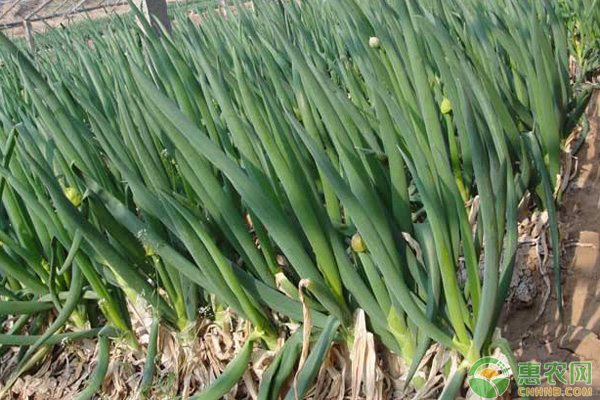
1. Variety selection. It is recommended to choose varieties with high yield, resistance to bolting, strong disease resistance, and excellent quality.
2. Key points of seedling raising. For spring seedling raising, it is best to carry out in a small plastic shed or greenhouse, and at least cover the seedbed with agricultural plastic film. Green onion seeds are small and should be sown shallowly. In spring, the wind is relatively strong. Without protective measures, the soil moisture is very easy to evaporate, and water shortage is likely during the emergence period, resulting in poor emergence. In addition, replenishing moisture before the seedlings emerge is very likely to cause soil surface crusting, affecting the seedlings pushing through the soil, and likewise causing poor emergence. Therefore, it is recommended to raise seedlings in a protected area if possible.
3. Cultivation techniques. According to the climate, ensure watering to promote greening around mid-April, and it must be watered thoroughly. Around mid-April, when the seedlings are 15 cm high, thin them, and after thinning spray vegetable and fruit stem-strengthening agent to increase yield. If the seedlings show light green or yellow tips appear on the leaves, appropriate topdressing of urea, compound fertilizer, and other fertilizers can be applied in stages, and 2-3 times of fertilization is appropriate. Note that for green onions planted by digging small and medium-sized trenches, soil must be earthed up 1—2 times and spray new high-fat film, which can increase the green onion base by about 10 cm.
4. Common pest control. 4.1 Green onion soft rot is caused by bacteria, and high temperature and high humidity, mechanical injury, and insect wounds very easily cause disease epidemics. The symptoms of the disease are that the aboveground part of the green onion lodges, is very easy to pull up, the lower part of the stem rots, and there is a foul odor.
4.2 Onion thrips. The adult is 1.2—1.4 mm long and damages the heart leaves and tender leaves of green onions. At 25°C and air humidity below 60%, it is favorable for onion thrips to occur.
5. Scientific harvesting. The harvest period of green onions varies depending on the planting method, climatic conditions, market demand, and growth level, and should be grasped flexibly. For example, before the yield of green onions reaches its peak, because the market is in short supply and the price is relatively high, they can be harvested early at this time. Although early harvest causes some damage to the yield, the economic benefit is greatly improved. If sold as fresh green onions, with the leaves and pseudostem eaten at the same time, then when the growth of the tubular leaves reaches its peak, it is the peak yield of green onions and also the suitable harvest time. In summary, these are the key points of green onion cultivation techniques. In your area, in what season are green onions generally planted? What needs attention? Leave many comments so we can learn and exchange together.