Master high-yield rice cultivation and management techniques to effectively increase yields
Rice is a key crop in our country. Although the price of rice is not that high, it is indispensable, so rice must be planted every year. For growers, yield is very important, so how can rice cultivation improve returns? Let's find out below.
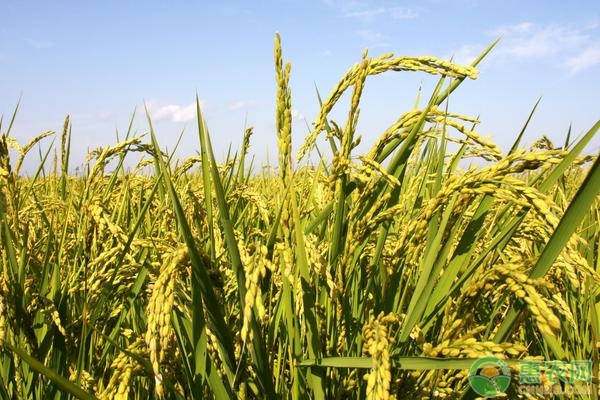
1. Scientific seed selection. When selecting seeds, agricultural producers must choose seeds that can adapt to the growing environment and have a certain disease-resistant capacity according to local environmental characteristics. When purchasing seeds, agricultural producers must investigate thoroughly and buy seeds from retail outlets with quality guarantees, so as to ensure seed quality as much as possible and provide resource advantages for rice cultivation. After purchase, agricultural producers must treat the seeds by seed dressing. Generally, 98% cartap powder and 3% triadimefon solution are used to soak the seeds to improve seed performance.
2. Planting techniques. With the promotion of agricultural mechanization, specialized planting is now used throughout. Depending on the planting method, the specific timing requirements for planting also differ. For example, direct-seeded rice is generally planted earlier than transplanted rice. For rice fields distributed on hillsides, manual broadcasting is basically used, evenly scattering the mixed rice seeds over the bed surface. To ensure uniform seed density, the field can be divided into grids when leveling the street edges. At 20-25 d after planting, field inspections for seedlings and replanting must be carried out promptly, moving dense seedlings to fill sparse areas, so that rice plants are evenly distributed and individual growth is balanced.
3. Cultivation techniques. During the rice planting process, cultivation technique work is especially important and directly affects the actual growth effect of rice plants. In terms of fertilization, organic fertilizer, urea and diammonium phosphate are mainly used as base fertilizer. When poor rice growth or yellowing is found, topdressing should be carried out. The topdressing amount is generally controlled at 1 kg of urea applied per 664 sq m of rice. In addition, during the booting stage of rice, attention must also be paid to fertilizer application, which can be done by applying 7.5 kg of ammonium sulfate per 664 sq m of rice to ensure yield. For irrigation work, the decision must be based on the growth status of the rice, and effective irrigation must be carried out on the basis of close attention to rice growth. During the rice growth and development stage, it will be harmed by weeds, and herbicides such as benthiocarb and butachlor can be used for weeding work.
4. Pest control. (1) Sheath blight. During the treatment of sheath blight, 100 mL of 5% validamycin can be mixed with 50 kg of water for spraying to reduce the harm of sheath blight to rice stems. Sheath blight can be prevented through early fertilization treatment and good cultivation technique work. (2) Rice blast. Because rice blast has a serious obstructive effect on rice production, agricultural producers must always pay attention to the occurrence of rice blast, and can choose disease-resistant varieties or chemical seed dressing treatment to prevent the occurrence of rice blast. Seeds can be soaked in 2000-fold dilution of 80% antibacterial liquid to maintain prevention of rice blast. For rice that has already developed the disease, 1000-fold dilution of 40% isoprothiolane emulsifiable concentrate can be used for spraying to achieve good treatment results. (3) Striped stem borer. The striped stem borer is one of the key pests and diseases in the rice growth process, with a large population and fast egg laying, seriously harming the normal growth of rice. When controlling the striped stem borer, traps can be placed to capture pests, and sex pheromone lure cores for the striped stem borer can be placed to trap and kill male striped stem borers, thereby reducing the number of males and indirectly reducing the number of eggs laid. (4) Rice planthopper. There are many types of rice planthoppers, including small brown planthopper, brown planthopper and white-backed planthopper. When controlling rice planthoppers, agricultural producers can use 25% pymetrozine suspension concentrate mixed with 40 kg of water and spray it in mist form to maintain control of rice planthoppers and ensure rice yield.
The above is a detailed introduction to increasing rice returns. With the continuous development of society, people's demand for rice and quality requirements are gradually increasing. How to improve the actual effect of rice cultivation and ensure rice quality and yield is very necessary. Do you have anything to add about rice cultivation?