What are the symptoms, causes and control methods of apple tree trunk rot?
In recent years, as the total apple planting area has continued to expand, the diseases it develops have also increased. Among them, apple tree trunk rot is one of the diseases commonly occurring in apples. This disease had already appeared in most regions of China 4 to 5 years ago, and it also has an objective nature. Once an apple tree contracts trunk rot, it will immediately seriously affect the yield and quality of the apples, causing great losses to growers. So what are the disease symptoms of apple tree trunk rot? What causes it? How should it be prevented?
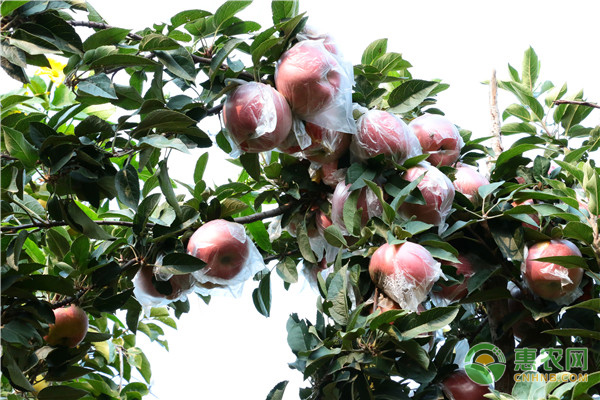
1. Disease symptoms: Apple tree trunk rot mainly occurs on the main trunk. Because the degree of disease development varies, some is only on the outer bark, while some has already penetrated the entire bark layer to reach the phloem. Its symptoms are dark brown canker spots of varying size and irregular shape on the affected branches. The diseased area initially appears dark brown, with uneven edges and a moist surface, oozing tea-brown slime. Afterward the diseased area sinks and dries up, the junction between diseased and healthy tissue cracks, small raised granules appear on the lesions, and the diseased area can detach. Because the disease develops rapidly in declining or weak trees, it can cause partial branch dieback.
2. Causes: Apple tree trunk rot can invade through root wounds and lenticels. Its occurrence is closely related to climatic and environmental conditions. Water stress is one of the key causes of the disease, especially in drought years and sandy* areas with poor water retention, and in hillside orchards, insufficient *soil moisture supply will cause the disease. Hillside orchards with poor *soil and where water* easily runs off have more severe disease. In winter and spring, when temperature fluctuations are large and freeze-thaw cycles alternate, tree cells begin activity during the day and suddenly cool down at night and the cells freeze, so tree tissues are more easily damaged and the trunk rot pathogen can easily invade. The level of orchard fertilization is very closely related to the disease: orchards with a high fertilization level have noticeably milder disease than orchards with poor *soil, and especially orchards using organic fertilizer and microbial fertilizer have fewer diseases. Orchards that adopted preventive measures in winter and spring showed noticeable results.
3. Prevention methods: Trunk rot can not only cause branch disease, but can also infect the fruit and cause ring rot. Therefore, for the prevention of trunk rot, in addition to normal routine spraying for prevention, basic preventive work must be done well. 1. Improve *soil, water and fertilizer management, cultivate strong fruit trees, and enhance the tree body's disease resistance. This is the foundation of disease prevention and resistance. Apply organic fertilizer and microbial fertilizer (such as Mumei*li) as base fertilizer, prune effectively, solve the orchard's ventilation and light transmission problems, determine a reasonable load, and prevent diseases promptly. 2. Pay attention to orchard water management. In areas with the conditions, carry out appropriate water-saving irrigation and implement integrated water and fertilizer application. 3. Cover the orchard with grass to conserve soil, plant clover, hairy vetch, rapeseed, etc., and cut the grass promptly after it grows tall to cover the tree trunks. Rapeseed must be cut promptly before blooming in spring to cover the tree trunks, or straw mulching can be implemented, which can achieve the effects of improving *soil structure, increasing *soil organic matter, storing water and conserving soil, and providing aeration and temperature insulation. 4. Clean up the orchard and reduce the source of inoculum. In autumn and winter, promptly remove dried branches and fallen leaves from the orchard, destroy or bury them in a centralized way, dig out rotten diseased plants and remove them from the orchard and destroy them promptly, scrape off the thick bark and disease galls on the tree trunks, and promptly apply medicine to the tree trunks for protection. 5. Improve agricultural prevention measures. Clean the orchard after fruit harvest and before leaf fall, and spray the leaves with insecticides, fungicides, and high-concentration liquid fertilizer, which both kills various overwintering pests and greatly reduces the overwintering population, and also supplements nutrients to slow leaf decline, enrich flower buds, increase the tree body's stored nutrients, and improve drought resistance. For branch spraying, use 48% chlorpyrifos 500-fold solution + peach tree microbial shield or anti-rot shield 300-fold + Baihefeng (fulvic acid) 300-fold for spraying. 6. Chemical control: Formula for trunk-coating medicine: For trunk medicine application fertilizer, use 1.8% octylamine 5-10-fold solution or Guokangbao 5-fold solution + Baihefeng 5-fold solution to coat the tree trunk. Or use Fulun No. 4 for trunk coating for cold protection and sterilization, which is effective. When spraying, the whole tree must be washed and sprayed thoroughly, with the key being the main trunk and branches. What must be noted here is that before trunk coating, the outer bark at the diseased scar should be scraped off with a scraper (only scrape off the outer bark, no need to go too deep), or use a sharp knife to make cross-hatched cuts at the diseased scar, reaching deep to the phloem, and then apply the medicine fertilizer, only then can noticeable results be obtained.
The above are the symptoms, causes and prevention methods of apple tree trunk rot. Apple tree trunk rot generally occurs more severely in orchards aged ten years or less, while orchards aged more than ten years have milder disease. Orchards near villages and relatively warm have milder disease, orchards with winter trunk whitewashing have mild disease, orchards where the trunks were treated with medicine fertilizer to prevent rot disease in winter have mild disease, trees with strong growth have mild disease, and orchards with declining trees and extensive management have severe disease, so growers should pay attention.