Detailed Explanation of Key Techniques for Sunning Corn Seeds Before Sowing
After corn has gone through dormancy, when spring plowing approaches, sometimes the corn has not yet finished its dormancy, and such corn seeds often have an extremely low germination rate after sowing, with uneven emergence, so measures often need to be taken. Sunning the seeds is the best choice, so how should corn seeds be sunned? What should be noted? Let's learn about it together with the editor.
1. Benefits of sunning seeds
The relatively high moisture content of corn seeds and the cold climate are the main reasons for freeze damage to corn seeds and low germination rates in northern regions. Sunning the seeds before sowing can promote the activity of enzymes within the seeds, and because ultraviolet rays in sunlight can effectively kill pathogenic bacteria on the seed surface, it can prevent diseases such as head smut brought by the seeds. Sunning the seeds enhances enzyme activity, increases the germination rate and germination vigor of the seeds, and prompts the seeds to emerge quickly and evenly. In addition, sunning the seeds can also reduce the moisture content of the seeds, enhance their water absorption capacity, and enable them to quickly absorb water from the soil after sowing, increasing the germination speed.
2. Methods of sunning seeds
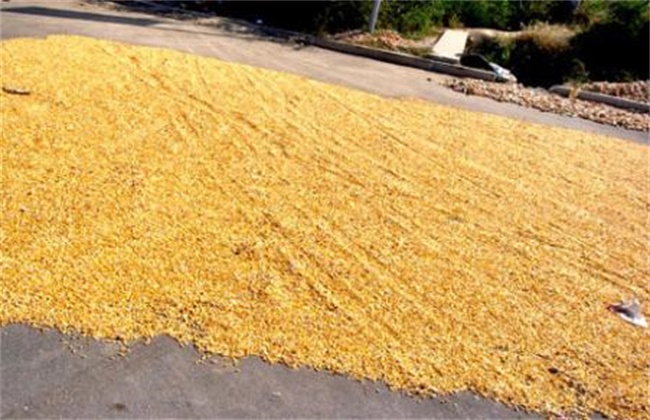
Before sunning the seeds, first remove shriveled, thin grains and impurities, and select plump grains with bright color to keep as seed, thus ensuring excellent seed quality. Sunning the seeds is generally carried out 10-15 days before sowing. It is recommended to choose a sunny day from 9 a.m. to 4 p.m. Spread the seeds evenly on the drying ground, with a thickness of 5-10 cm being suitable. During the day, turn them frequently to ensure even heating. At night, pile them up and cover them so they have enough accumulated heat to break seed dormancy. Generally, sunning for 2-3 days is enough.
3. Precautions
When sunning seeds, note that the drying site must have dry ground, be well ventilated and facing the sun, and be equipped with rain protection facilities, so as to avoid sudden heavy rain during sunning, which may cause the seeds to germinate directly or rot. Although it is said that sunny weather should be chosen when sunning seeds, the temperature should preferably not exceed 30 degrees, and the seeds should not be dried directly on a cement yard, because the temperature on a cement yard is too high and can easily scald the seeds, causing deformed seedlings, and in severe cases the seeds will die and fail to emerge.
The above is an introduction to the techniques for sunning corn seeds before sowing. We hope it can help you. To learn more related knowledge, please follow us.