How to manage cowpeas during the seedling stage? Master these key points to grow strong seedlings
Cowpea is what we commonly call long bean in daily life. Cowpea has very high nutritional value and is very popular, so many people still grow cowpea today. When growing cowpea, we need to manage it properly according to its growth stages. This is especially true during the seedling stage, so how should cowpea be managed during the seedling stage? Let's take a look together below!
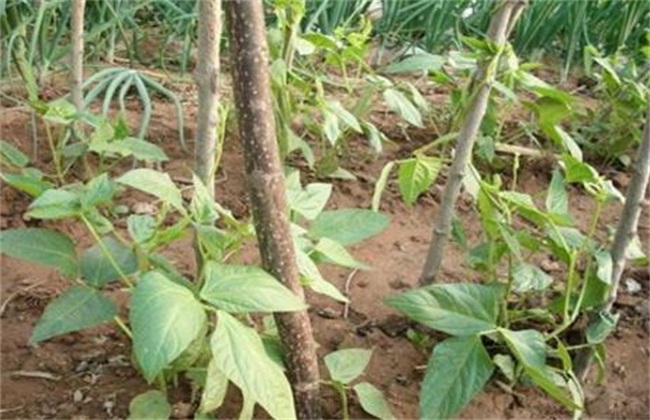
1. From sowing to emergence
After cowpea seeds are sown, under normal management, they generally emerge in about five days. During the period from sowing to emergence, the temperature should be kept at around 28°C. The temperature must not fall below 15°C. If it is below 15°C, the seeds will be unable to withstand the temperature and will rot. So if we are raising seedlings in March or at other times when the temperature has not yet fully warmed up, we must pay attention to temperature changes and check the temperature of the seedbed. Then, when sowing, make sure to water thoroughly. Do not water before emergence, to avoid lowering the soil temperature and causing seed rot.
2. From emergence to seedling formation
About one week after cowpea seeds are sown, the aboveground part begins to elongate. At this time, the temperature can be lowered appropriately, keeping the daytime temperature at around 20°C, but the nighttime temperature must not be below 15°C. If the nighttime temperature is below 15°C, cowpea seedlings may still suffer cold damage. In addition, if the seedbed is relatively dry, water appropriately on sunny days, not on cloudy or rainy days, to avoid root rot and seedling death. Besides that, we should also pay attention to disease prevention and control to avoid diseases harming cowpea growth.
3. From seedling formation to transplanting
After cowpea seedlings have formed, their transplanting time must be determined. Normally, about two weeks after cowpea seeds are sown, we should begin preparing for cowpea growth. At this time, temperature control is not as strict as before. During the day, the arched shed should be appropriately uncovered, but at night it still needs to be covered. Then at this stage, watering is usually no longer needed.
4. Determining seedling age
Determining seedling age is very important. This is especially true for the transplanting seedling age of cowpea. Usually, the best transplanting time is generally when the seedlings have grown about two true leaves. When the leaves are close to the flat-expansion stage, they should be transplanted in good time. Do not transplant too late, otherwise the survival rate of the transplanted seedlings will be too low. When transplanting, do it on a sunny day, not on a cloudy or rainy day, otherwise they are likely to be affected by disease and missing seedlings will occur. If the weather is unfavorable when the suitable transplanting period is reached, then we can appropriately postpone transplanting by two days.
The above is a brief introduction to how to manage cowpeas during the seedling stage. That is all for today's introduction. This article is for reference only, and we hope it can help everyone!