What points should be noted when pricking out eggplant seedlings? Do these well and the seedlings will be stronger
Eggplant has a very large planting area in our country, and it is also a very common vegetable on our dining tables. When we grow eggplant, we need to do a good job of pricking out during the seedling stage to ensure that each strong seedling has enough room to grow, but there are also many things we need to pay attention to when pricking out. So what exactly are they? Today the editor brings you the points to note when pricking out eggplant seedlings. Let's take a look!
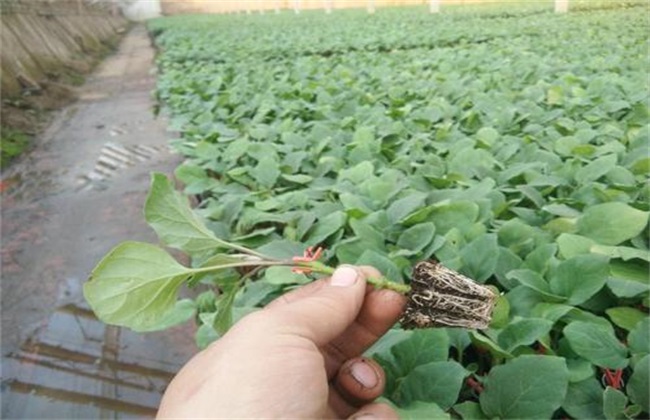
1. Time for pricking out
When pricking out eggplant seedlings, the first thing we need to pay attention to is the time for pricking out. Usually, eggplant seedlings should be pricked out when they have grown about three true leaves. Four days before pricking out, we should also pay attention to hardening the seedlings and lower the temperature by about 5 degrees. This is mainly to ensure that the eggplant seedlings can adapt to the temperature of the seedbed after pricking out, improve the survival rate after transplanting, and ensure that the seedlings recover normally. Especially when raising seedlings in a hotbed, the ventilation openings should be appropriately enlarged during the day to increase the time for ventilation and light.
2. Points to note
In the afternoon of the day before pricking out, we should water the seedbed to appropriately increase soil moisture and make it easier to dig up the seedlings. When digging up the seedlings, be careful to avoid damaging the roots as much as possible and transplant them with soil. After digging up the seedlings, grade them according to size, and then transplant them separately. At the same time, be careful not to damage the stems and leaves of the seedlings, and ensure that the seedling roots can fully spread out in the soil, avoiding the roots being squeezed into a ball and becoming curled and tangled. Then also be careful to prevent the seedlings from wilting due to sunlight. Therefore, when pricking out, film should also be covered for shading. Water immediately after transplanting, and water once more the next day, which helps the seedlings recover.
3. Methods of pricking out
The methods of pricking out eggplant seedlings also require a lot of attention. It is best to prick out into nutrient pots, because nutrient pots can protect eggplant seedlings, and after planting, the survival rate can reach almost 100 percent. If pricking out in a pricking-out bed, then hole planting or furrow planting should be the main methods. In the pricking-out bed, dig small furrows at a row spacing of about 12 cm, keep the furrow depth at about 4 cm, and then water lightly in the furrows. Wait until the water gradually penetrates into the soil and a little water remains, then plant the seedlings at a plant spacing of 10 cm.
When planting, be careful to press them close to the furrow wall. Use the water in the furrow to steady the seedlings, and then after planting, do a good job of covering with soil to close the furrow. Finally, there is also the method of pricking out into nutrient soil blocks. For pricking out into nutrient soil blocks, first water the pricking-out bed sufficiently. Then, according to the actual situation, control the plant and row spacing and draw lines to form nutrient soil blocks. Then poke a small hole in the center of each block, transplant the seedlings into the small holes, and finally cover with soil.
The above is a brief introduction to the points to note when pricking out eggplant seedlings. That is all for today's introduction. This article is for reference only, and I hope it can help everyone!