How to grow spring radishes for high yields? A detailed guide to cultivation techniques
Although radishes are a root vegetable belonging to the mid-autumn and winter seasons, with the maturation of growing techniques today, they can basically be grown all year round when greenhouses are used. So now, with the arrival of spring, many people are growing radishes in spring. So how can you achieve high yields when growing radishes in spring? Below, the editor brings you high-yield cultivation techniques for spring radishes. Let's take a look!
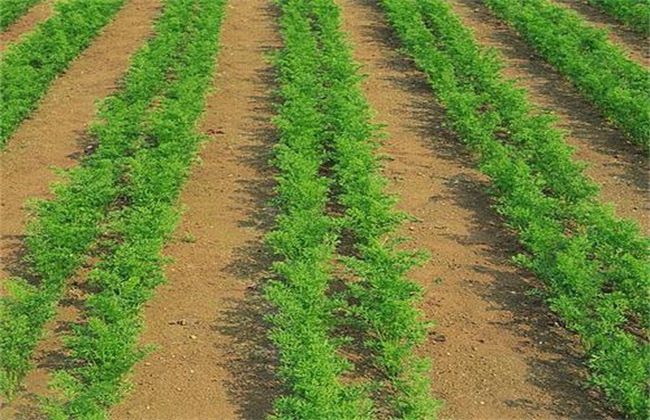
1. Sowing period
Before growing radishes in spring, the first things we need to do well are choosing good varieties and controlling the sowing period. The varieties grown for spring radishes should mainly be those with few leaves, a fast swelling rate and stable bolting. Make sure that about two months after sowing, the root weight can reach about two jin. Then, once the average daily temperature stabilizes above 10 degrees and there is sunny weather lasting more than a week, you can sow. If growing under greenhouse plastic film, sowing should be done in December to January. If growing in open fields under plastic film, sowing should be done around Qingming Festival.
2. Land preparation and fertilization
The soil for growing radishes is also very important. The soil for radish cultivation must maintain good permeability, drainage and irrigation capacity, and be soft with sufficient fertility. The previous crop in the soil should not be a crop of the same type as radishes. Then, before sowing, do a good job of land preparation and disinfection: plow the soil about 30 cm deep, spray chemicals to disinfect it, and then make beds ready for sowing. When preparing the land, we should also combine this with the work of applying base fertilizer. The base fertilizer should mainly be fully decomposed farmyard manure, combined with an appropriate amount of compound fertilizer, to ensure the growth of the radishes.
3. Planting density
Planting density is something we need to pay special attention to; the plant and row spacing should be maintained at about 40*30 cm. When sowing, each sowing hole should also be watered with sufficient human and livestock manure, then one seed should be sown in each sowing hole, and then covered with about one centimeter of fine soil. Do not sow too shallowly, otherwise lodging is likely to occur and affect the root shape. At the same time, do not sow too deeply, as too deep will delay the emergence speed of the radishes and lead to a decrease in the rate of strong seedlings. We should also use nutrient pots to raise reserve seedlings for replanting. If the crop rotation schedule is tight, they can also be directly transplanted. This is convenient for management and can also improve the utilization rate of greenhouse facilities.
4. Field management
About a week after sowing, we should pay attention to keeping the greenhouse sealed to promote emergence. Because temperatures in early spring fluctuate quite a lot, after the seedlings are fully emerged, it is also necessary to do a good job of hardening the seedlings. Keep the daytime temperature at about 18 degrees and the nighttime temperature at about 12 degrees. When the seedlings have about three true leaves, it is necessary to do a good job of replanting. During the seedling stage, radishes have little demand for fertilizer and water, so there is no need to water or fertilize. Then, in the later growth stage, fertilizer should be applied about twice. The fertilizer is generally mainly nitrogen and potassium fertilizer. Do not apply too much fertilizer to avoid fertilizer damage, but do not apply too little either, otherwise hollow heart and early bolting are likely to occur.
The above is a brief introduction to high-yield cultivation techniques for spring radishes. That is all for today's introduction. This article is for reference only, and I hope it can help everyone!