Field Management Methods and Technical Points for Turnips
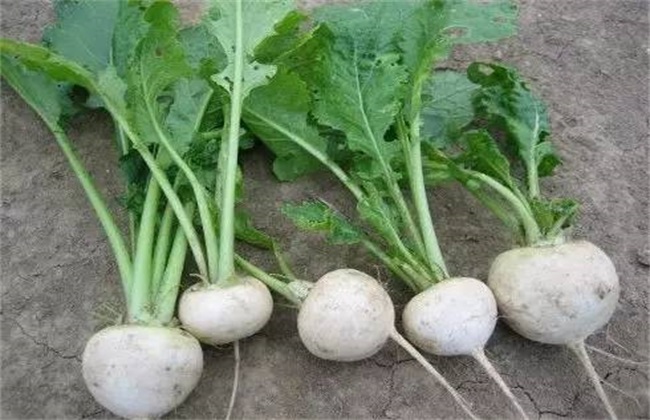
The turnip is a biennial herbaceous plant in the Brassicaceae family, widely distributed in China, and a typical root vegetable. It can be eaten cooked and also used as feed; it is very popular in China and is grown on a relatively large area. But how should we manage turnips when growing them? Below, the editor brings you the management methods for turnips. Let's take a look!
1. Seedling Stage Management
During the turnip seedling stage, it is susceptible to damage from pests such as flea beetles. Therefore, in the morning we should pay attention to spreading wood ash about twice. An appropriate amount of stomach poison insecticide can also be sprayed for chemical control. At the same time, one weeding should be carried out after emergence, and intertillage should be done when the seedlings grow about 4 true leaves. Then thin to a stand when there are 7 leaves, and appropriately apply some nitrogen fertilizer. If growing for seed roots, then pay attention to doing a good job of weeding and watering. When the plants grow to about one meter tall, measures to prevent lodging should be taken.
2. Fertilization Management
About half a month after planting, we should pay attention to topdressing an appropriate amount of farmyard manure, keeping the amount at about 1000 kg per mu, then topdress again ten days later. In October to November, the turnip's fleshy root enters a period of vigorous growth, and at this time a heavy fertilizer application is needed. Farmyard manure should be the main component, combined with an appropriate amount of compound fertilizer. Before fertilizing, we should first pay attention to doing a good job of intertillage and loosening the soil, applying the fertilizer between the rows. If the weather is relatively dry, then after fertilizing, water once to promote dissolution of the fertilizer so that the turnip roots can absorb it normally.
3. Clearing Trenches and Earthing Up
During the turnip's growth period, we should carry out about two rounds of clearing trenches and earthing up. This prevents the roots from being exposed and turning green and old, which would cause a decline in quality. Then we should often observe the turnip's growth, and if yellow leaves are found, remove them promptly to improve the aeration within the plant. By around December, harvesting can begin. The harvest standard is mainly when the plant's stems and leaves wither and yellow, and the root crown gradually turns yellow. It is best not to let them go through frost; although it can improve quality, harvesting too late will cause the core to become too large and the fleshy root's fibers to become well developed, thereby affecting its processing quality.
4. Harvesting and Storage
When the temperature is around minus three degrees, they should be harvested in a timely manner; the temperature must not be too low, as too low would cause storage performance to decline. Harvesting should be done on a sunny day. Dig out the root tubers, then cut off the tops and remove the leaves. Remove the external moisture and soil from the roots, then place them in a cellar for storage. The storage temperature should be kept at around one degree. Tie them into small bundles, then hang them on wooden racks to air-dry. Seed roots must be kept intact, free of pests, diseases, and wounds, and ensure the skin is smooth and clean. At the same time, check frequently to avoid frost damage, mold and rot, and premature sprouting; if any occur, pick them out promptly.
The above is a brief introduction to turnip management methods. That is all for today's introduction. This article is for reference only, and we hope it can help everyone!