Yam Planting Time and Key Field Management Techniques
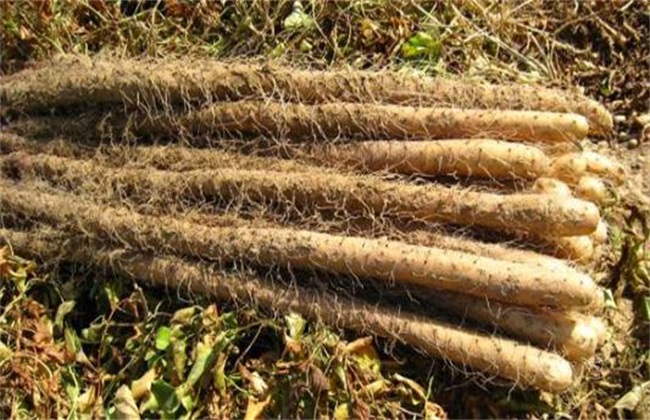
Yam, also called Chinese yam, is a root-tuber vegetable that also has certain medicinal value, which is why it is well received by many people. Today, the yam planting area is still very large. When planting yams, we must pay attention not only to the planting time but also to good management. So how exactly should this be done? Below, the editor brings you yam planting time and management. Let's take a look!
1. Planting time
The planting time of yams is very critical. Yams are generally planted around March each year. Under normal circumstances, they enter the flowering period around July, their fruiting period is in September, and by October they can be harvested. When planting, note that the germination ability of yam seeds is relatively weak, but their asexual reproduction ability is strong, so propagation is generally done mainly by root heads or bulbils. Yams can be planted in both northern and southern China, but because the regions differ, temperature and climate also vary, so the planting time also differs. The planting time should be determined according to actual conditions.
2. Intertillage and weeding
If planting in the south, then after the yam seeds sprout, it is generally during a season of high temperature and abundant rain. Therefore, the soil is prone to becoming compacted, especially when planting on dry land and without mulch. Whether it rains or the plants are watered, weeds grow very quickly, so we must pay attention to doing a good job of intertillage and weeding, usually about three times. The depth of intertillage should go from shallow to deep, and in the later growth stage it should be loosened appropriately and shallowly to prevent the roots from being injured by going too deep, which would affect yield.
3. Staking at the right time
Although yam is a root vegetable, its aboveground part has a twining characteristic. Therefore, during the yam growth period, we must pay attention to doing a good job of staking. This can not only improve ventilation and light penetration in the field, but is also very beneficial to the growth of the root tubers. It can also prevent the vines from sprawling on the ground in clusters and causing disease damage. Usually, when the yam plant grows to about 20 cm tall, a bamboo strip or tree branch should be inserted beside it to let the yam vines climb. Make sure the support is firm, and control its height at about 20 cm.
4. Water and fertilizer management
When planting yams, pay attention to doing a good job of watering to promote the growth and development of the yam roots and improve root tuber growth ability. If water is insufficient, yams are prone to undesirable conditions such as deformity and forking. The first time you water, pay attention to the amount of water; it must not be too much, to avoid thick necks. Yams also have a relatively large demand for fertilizer. We must not only apply sufficient base fertilizer, but also topdress about three times during their growth period, respectively when the seedlings are 35-40 cm tall, in July, and in late August. The topdressing method is mainly furrow application, and the amount of fertilizer should be adjusted according to factors such as soil fertility and fertilizer sources.
The above is a brief introduction to yam planting time and management. That is all for today's introduction. This article is for reference only, and we hope it can help everyone!