What are the key management points during the wheat green-up stage? Key techniques to master
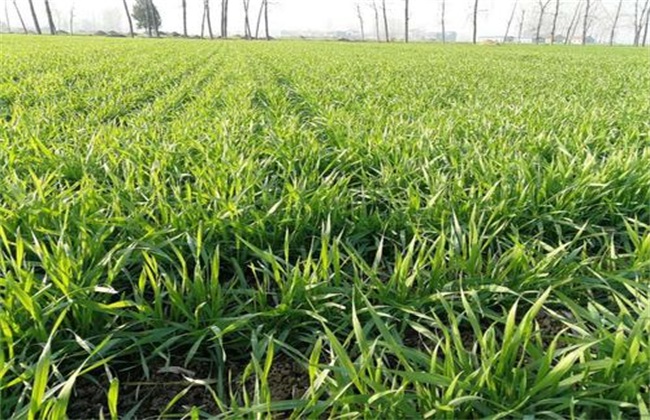
Wheat is a very important food crop in China and is basically grown in all parts of the country. When growing wheat, we need to adjust management according to the wheat's growth stage. So as temperatures gradually rise now and wheat enters the green-up stage, how should it be managed? Today the editor brings you the key management points for the wheat green-up stage. Let's take a look below!
1. Hoeing and loosening the soil
During the wheat green-up stage, the first thing we must do well is hoeing and loosening the soil. This is a key measure to ensure wheat seedlings can green up as quickly as possible and promote robust growth. After loosening the soil, it can improve soil permeability and raise soil temperature, which is very beneficial to root growth and development. Moreover, hoeing can cut the capillaries in the soil, prevent moisture in the lower soil layer from moving upward, and play a role in preserving water and soil moisture. At the same time, it is also very beneficial to the activity of microorganisms in the soil. Generally, it starts at the green-up stage and ends at the jointing stage, with about 3 hoeings in total, first shallow and then deep. If there are many seedlings and they are prone to lodging, then one deep intertillage should be carried out.
2. Topdressing according to seedling condition
During the green-up stage, topdressing is naturally indispensable. When applying green-up fertilizer, we must pay attention to topdressing according to seedling condition. For example, if wheat seedlings grow weakly before winter, soil fertility is poor, and early sowing causes fertilizer loss, then the time and amount of green-up fertilizer application should be earlier. Generally, topdressing should start when the surface begins to thaw, mainly with ammonium bicarbonate. If phosphorus is deficient, then an appropriate amount of superphosphate should be mixed in. Green-up fertilizer is the main measure to turn wheat seedlings from weak to strong, and it is also the key to increasing the number of ears per mu. However, if there are many seedlings and they are overly vigorous, then green-up fertilizer may not need to be applied.
3. Removing cover and clearing ridges
When planting in winter, if cover is used, then after the wheat green-up stage, attention should be paid to removing the cover and clearing the ridges in time, so as to raise ground temperature and ensure root growth. However, in order to avoid a late spring cold spell, we should clear the ridges in two operations. The first time is 7 days after the green-up stage, and then the second time is two weeks later. All the soil should be cleared away, but care should be taken to prevent tillers from being exposed. For low-lying land with higher water requirements, this must be completed before the wheat returns to moisture. However, if the wheat field is relatively dry, then it can be appropriately delayed to prevent freezing damage.
4. Irrigating green-up water
Irrigating green-up water is also very important. We should adjust it reasonably according to soil moisture content and wheat seedling growth. If there was no irrigation before winter, or irrigation before winter was too early and caused soil drought at green-up, then green-up water can be irrigated appropriately earlier. However, the irrigation amount should be well controlled, because at this time the soil has not fully thawed, and too much irrigation can easily lead to waterlogging and root suffocation, causing new roots to be unable to emerge. This can cause the small-old-seedling phenomenon and, in severe cases, lead to seedling death. On the contrary, if overwintering water was suitable, then the time for irrigating green-up water can be appropriately delayed. Under normal circumstances, the time for irrigating green-up water in southern regions is in early to mid-March, while in the north it is in late March.
The above is a brief introduction to the key management points during the wheat green-up stage. That is all for today's introduction. This article is for reference only, and we hope it can help everyone!