How to manage bitter melon after transplanting? These technical points need to be mastered
Bitter melon is also called bitter gourd. Its flesh is crisp and tender. Although it has a bitter taste, because of its effects such as clearing heat and detoxifying, and promoting urination, it is very popular in summer and is an excellent heat-relieving vegetable. So how should it be managed after transplanting? Follow the editor and take a look.
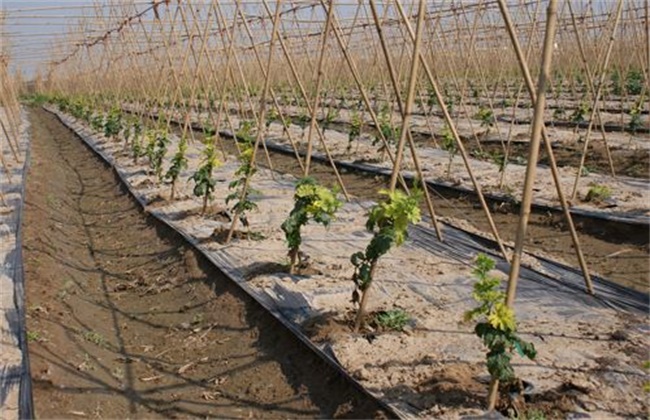
1. Temperature and humidity management
On the basis of watering enough after transplanting, bitter melon generally does not need watering or ventilation during the seedling recovery period, so that the daytime temperature in the greenhouse stays between 25-30 degrees, and the nighttime temperature stays between 14-18 degrees. After seedling recovery, carry out normal management. By uncovering and covering the plastic film, keep the daytime temperature between 25-28 degrees, not exceeding 30 degrees, and the nighttime temperature between 13-17 degrees, not lower than 12 degrees. After entering the fruiting period, the temperature rises and the light becomes stronger, so ventilation and cooling should be the main measures. At this time, ventilation should be increased and the ventilation time extended.
2. Fertilizer and water management
Bitter melon tolerates fertilizer but not barren soil. In order to ensure normal plant growth and development and improve yield and quality, fertilizer must be applied in a timely manner. On the basis of applying enough base fertilizer, if the plants are small, grow slowly, and need little fertilizer, topdressing may be omitted, and more intertillage and soil loosening should be done to conserve moisture. After entering the flowering and fruiting period, the temperature is higher and plant growth accelerates, so the demand for fertilizer and water is large. At this time, pay attention to timely topdressing to promote vine growth and protect the fruit. Water can be applied once every 7-10 days, and 7 kg each of potassium sulfate and urea can be applied with the water per mu.
3. Pruning and trellising
Bitter melon stems and vines grow vigorously, so pruning must be strict during cultivation. The stem nodes of bitter melon easily produce adventitious roots. In order to expand the root absorption area, the vines can be pressed before trellising. When the vines grow to 40-50 cm, begin trellising and guide the vines onto the trellis. Bitter melon has lush stems and leaves and strong branching ability. In order to make the vines distribute reasonably, grow normally, and bear fruit, timely pruning is needed. When the main vine reaches a certain height, leave 2-3 side vines to climb onto the trellis together with the main vine, and remove all other side vines and tendrils. After trellising, for side branches that later appear, if they have fruit, keep the branch and immediately pinch out the growing tip; if they have no fruit, cut off the entire side branch from the base.
4. Artificial pollination
Bitter melon has a low rate of parthenocarpy, but artificial pollination can increase the fruit-setting rate and promote fruit development. Because there is little wind in the greenhouse and few insects, artificial pollination is very necessary. For artificial pollination, choose 7-8 a.m., remove the corolla from a fully opened male flower, and directly smear the anther onto the stigma of the female flower to increase the fruit-setting rate.
The above is an introduction to management techniques for bitter melon after transplanting. We hope it can help you. If you want to learn more related knowledge, please keep following us.