What are the methods and precautions for hilling soil around ginger?
In ginger cultivation, hilling is an important measure that determines ginger yield and quality. Only when hilling is done properly can the ginger grow robustly and produce a high yield. However, hilling also requires attention to timing and method. Below, follow the editor to learn about ginger hilling techniques.
I. Hilling time
1. First hilling
It starts when the ginger has 3-5 branches but has not yet emerged above the soil surface, with a thickness of about 2 cm. At this time, hilling only requires small hoes and other farm tools. Scrape the ridge soil on both sides of the planting furrow down along the ridge edge into the planting furrow, then water. This can suppress weed growth and help the rhizome expand. The first hilling should not be too thick, so as not to affect soil permeability, cause new bud growth to be blocked, and affect both yield and quality.
2. Second hilling
Carry it out 20 days after the first hilling, with a hilling thickness of 2-3 cm. As with the first hilling, just use a small hoe to scrape down the ridge soil on both sides. It should likewise not be too thick, so as not to make rhizome growth difficult and affect yield.
3. Third hilling
This hilling is also called the big hilling. It is carried out half a month after the second hilling, with a thickness mainly of 7-8 cm. At this time, all the soil on the ridges needs to be hilled into the planting furrows, so that the original furrows where the ginger grew become ridges, and the original ridges become furrows. This hilling is relatively important. Is it the key to determining ginger rhizome growth? If too shallow, it will cause the ginger blocks to be short and thick; if too thick, it will cause the ginger blocks to be slender and long.
II. Precautions
1. The timing of hilling and topdressing should not be too early or too late. If hilling and topdressing are too early, because the temperature is relatively high and the temperature difference between day and night is small, it is very easy to cause excessive growth of aboveground stems and leaves, with less nutrient accumulation and slow development. If hilling is too late, it will miss the period of maximum nutrient growth efficiency for ginger and is not conducive to rhizome growth and development.
2. Each hilling should be combined with fertilization and watering. Fertilizer should be applied first, then hilling, and finally watering. Before the first and second hilling, 5 kg of compound fertilizer and 40 kg of bio-organic fertilizer can be applied per mu. They must not be applied directly at the base of the roots. After fertilization, hill and water. For the last hilling, increase the amount of fertilizer, slowly applying 50 kg of compound fertilizer and 75 kg of bio-organic fertilizer.
3. Water again 2-3 days after hilling and topdressing. Try not to irrigate immediately. If watering is done immediately after hilling and fertilization, because the roots have wounds, it is conducive to pathogen infection, leading to worsening root diseases. Therefore, watering should be done 2-3 days after hilling and fertilization. At this time, the root wounds have basically healed, and disease resistance and stress resistance will both be enhanced.
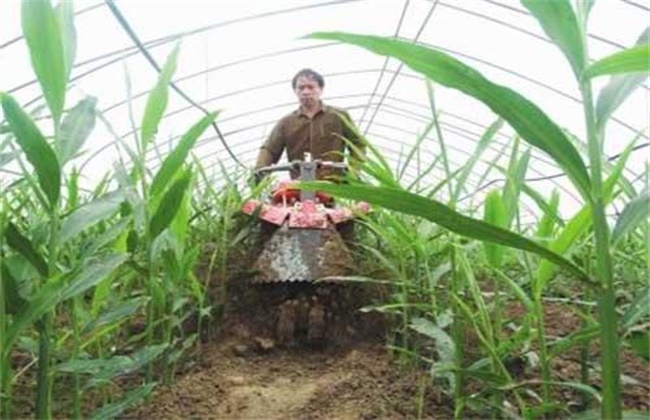
4. Avoid damaging roots during hilling, which can cause the spread and expansion of soil-borne diseases. Many farmers use mechanical operations when hilling, which invisibly increases the damage to ginger roots. Once the roots are damaged, it will inevitably affect the absorption of fertilizer and water, thereby hindering growth. At the same time, it will also reduce resistance to diseases, making diseases severe.
The above is an introduction to ginger hilling methods and precautions. We hope it can help you. To learn more related knowledge, please stay tuned to us.