Detailed Explanation of Field Management Techniques for Garlic in Early Spring
Garlic is a very popular vegetable in China, mainly used as a side ingredient in various dishes. Garlic has many functions and effects, and its benefits to human health are also very significant, which is why it is so popular. When planting garlic in early spring, we need to do a good job of field management. So how exactly should it be done? Below, the editor will give you a brief introduction to the field management of garlic in early spring. Let's take a look!
1. Raising soil temperature
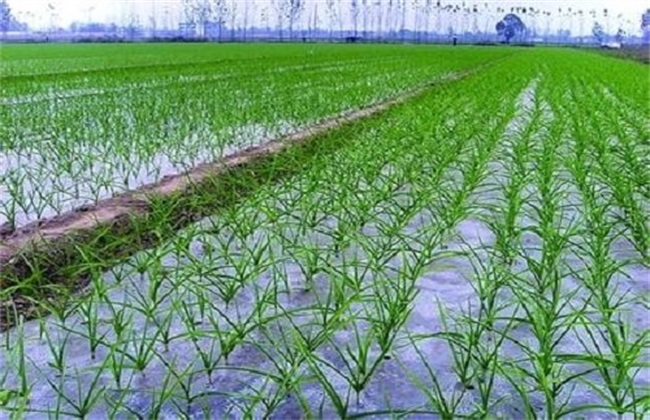
Although the temperature gradually rises in early spring, the soil temperature is still relatively low, and late spring cold spells are prone to occur. So when early spring garlic enters the turning-green stage, we should promptly raise the soil temperature. First, clear away the debris on the plastic mulch to improve its light transmittance, which can effectively raise the temperature. Then carefully check the condition of the plastic mulch. If any damage is found, repair it promptly. This prevents cold wind from entering through the damaged mulch, enhances the mulch's heat preservation and warming effect, and ensures normal growth of the garlic.
2. Fertilizer and water management
Fertilizer and water management in early spring is very important. There are more sunny days in early spring, so we should carry out watering and fertilizing in the morning after more than 4 consecutive sunny days. The fertilizers are mainly water-soluble flush fertilizer and nitrogen-phosphorus-potassium fertilizer, with the amount kept at about 20:15 kg, applied together with watering. If the soil is too dry, water promptly once in late March. However, pay attention to the watering time. Generally, watering too early should be avoided, otherwise it can easily cause root rot and lead to diseases, and garlic may also show secondary growth.
After each watering, we should pay attention to shallow hoeing once. This improves soil permeability and ensures that water can normally seep into the soil. It can not only raise the soil temperature, but also ensure that the garlic can normally maintain its roots and develop seedlings. When early April arrives, frequently check the growth of the garlic. If yellow tips are found on the garlic leaves, apply fertilizer again promptly. The fertilizer is generally mainly quick-acting nitrogen fertilizer, with the application rate kept at about 20 kg per mu.
3. Disease control
If early spring garlic is not managed well, it is highly prone to various diseases. Among them, leaf blight and gray mold are very common. So in early spring, we should also focus on doing a good job of disease control management. After garlic becomes diseased, small white spots easily appear at the leaf tips, or light brown spots appear on the leaf surface. In severe cases, it can cause the entire plant's leaves to wither and die, with rot seen at the base, and the plant will also lodge. Therefore, promptly use fungicides such as carbendazim or triadimefon for control.
The above is a brief introduction to the field management of garlic in early spring. That's all for today's introduction. This article is for reference only, and we hope it can help everyone!