Spring Corn Planting Time and Methods Explained in Detail
Taken literally, spring corn refers to corn sown in spring. Because its sowing time is relatively early, it is also called early corn. Spring corn is mainly widely distributed in the northern regions of our country and is welcomed by many people. So when should we plant spring corn, and how should we plant it? Below, the editor brings you the planting time and methods for spring corn. Let's take a look!
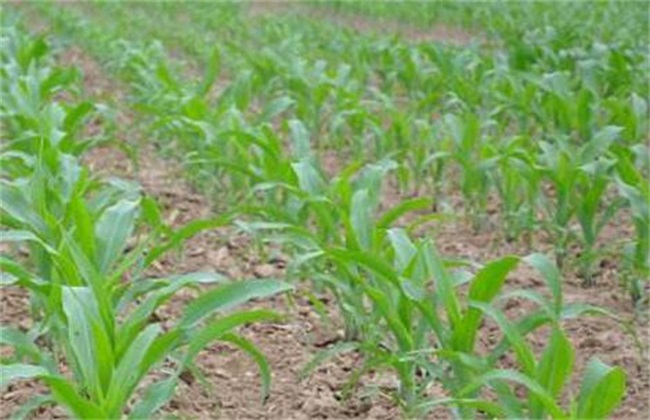
1. Select good seeds
When planting spring corn, the first thing we must do well is select good seeds. The varieties chosen for spring corn planting must first have a growth period of more than 110 days, strong root growth capacity, a non-spreading plant type, and robust plants with strong stress resistance. Also, before sowing, we must pay attention to selecting good seeds, removing small grains, diseased grains, and empty shriveled grains. Then dry the seeds in the sun for about three days, which can effectively improve the seeds' water absorption capacity and advance their emergence time. This reduces the phenomenon of late-emerging corn seedlings, thereby ensuring the rate of uniform emergence after sowing.
2. Sowing time
The sowing time of spring corn is very critical. When soil moisture is sufficient, spring corn should be sown in early May. After the planting plot has undergone autumn plowing and winter irrigation, harrowing and moisture conservation should also be done well in early spring. If the yield is high and the soil moisture is suitable, then the sowing time can be appropriately delayed. It can be done around May 10, but it should usually be sown in late April to early May. Then, at sowing time, if the seeds are not coated, then agents such as methamidophos should be used for seed dressing and coating, which can not only prevent pests but also advance the corn emergence time.
3. Sowing methods
When sowing spring corn, if conditions permit, then we should preferably use mechanical sowing, or double-furrow sowing. Control the sowing rate well, keeping it at about 4 jin per mu. When sowing, be careful that the seeds and fertilizer must not come into contact. Fertilizer should be applied into the lower layer of the soil, placed about 4 cm below the seeds, to avoid the fertilizer generating too much heat and causing root burn. And in this way, it can also ensure normal downward growth of the seeds. If conditions are insufficient, then manual trenching can be used, mainly furrow sowing, with a slightly larger sowing rate, generally about 5 jin per mu.
4. Cultivation key points
Spring corn planting usually has about 3,500 plants per mu. Before sowing, sufficient base fertilizer should be applied, and attention should be paid to applying an appropriate amount of nitrogen, phosphorus, potassium and other fertilizers in the base fertilizer, and doing a good job in pest and disease prevention and control. This includes various fertilizers such as diammonium and urea, ensuring the fertilizer is comprehensive and sufficient, with the ratio of nitrogen, phosphorus and potassium controlled at about 1:0.7:0.5. Then, when sowing, pay attention to the planting form and density. The density must not be too large, otherwise they will affect each other's growth and lead to reduced yield.
The above is a brief introduction to the planting time and methods of spring corn. That is all for today's introduction. This article is for reference only, and I hope it can help everyone!