What are the common mistakes in mulching vegetables with plastic film?
There are a great many vegetable varieties in our country, and no matter what vegetables are planted, covering with plastic film is very necessary. Mulching vegetables with plastic film can effectively enhance the growth capacity of vegetables and improve their yield and quality. However, many people make many mistakes when covering with plastic film. So what exactly are they? Below, the editor brings you the common mistakes in mulching vegetables with plastic film. Let's take a look!
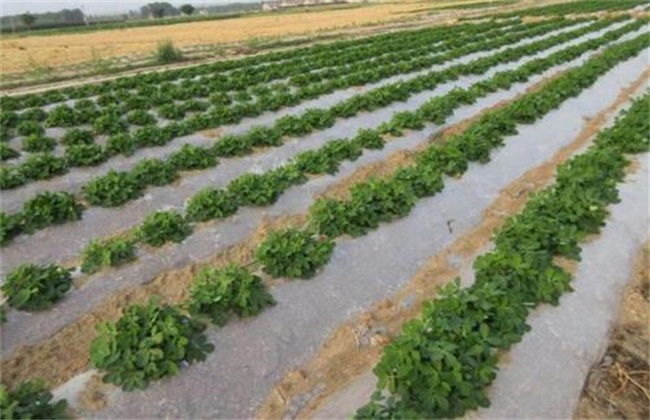
1. Plastic film pressed tight against the stem base
If the plastic film is not covered properly, it can very easily cause various blights in vegetables. When covering with plastic film, many people choose to press the film tight against the stem base of the vegetables. This is wrong and can very easily lead to dead vegetable plants. When cutting the film opening, it is best not to cut the film open, but to use your hands to tear open a larger hole in the film to avoid it closing up again, keeping the diameter at about 6 cm. If the temperature is relatively high, then promptly roll up both sides of the film to avoid the low temperature rising. Likewise, when the temperature drops, promptly spread the film out again. Then use clips to fasten the adjacent parts of the film, avoiding the film touching the stems.
2. Covering the whole greenhouse with film laid flat on the ground
Some vegetable growers, when covering with plastic film, directly lay the film flat over the whole greenhouse on the ground. Then during farming operations, the film is stepped on a great deal, causing it to press tightly against the ground, and the soil's air permeability therefore decreases. This hinders the respiration of the vegetable roots, leading to poor root development and reduced yield. When covering with plastic film, it is best to use materials such as steel wire to prop the film up, so that the film is draped over the support rods and watering can be done under the film. In this way, the soil's permeability can be improved and moisture can be drained in time, avoiding excessively high humidity. For the operational rows, it is best to cover them with crop straw, which is very beneficial to their growth.
3. Covering too early
Covering with plastic film too early is also a mistake many people make. When covering with plastic film, we should reasonably regulate it according to weather changes and the type of crop planted. For example, when planting cucumbers in autumn and after transplanting, if the surrounding environment is relatively warm and the film is covered, it will not only cause the temperature inside the film to rise too high and smother the seedlings, but also increase the surface humidity, which is very unfavorable for the crop's roots to grow downward, thereby affecting the crop's seedling hardening. Therefore, when covering with plastic film, we must pay attention to the weather conditions. Usually it should be covered about half a month after transplanting to increase the rate of strong plants.
4. Covering only the operational rows with film
Many people, when covering with plastic film, only choose to cover the operational rows and ignore the planting rows. Covering with plastic film in this way not only fails to achieve the effect of mulching, but on the contrary makes the disadvantages more obvious and affects crop growth. Mulching with plastic film is mainly to avoid excessively high humidity in the greenhouse and prevent disease. When watering, we generally focus on the planting rows. If the planting rows are not covered, then it basically cannot play a role in reducing humidity, and there is basically no heat preservation either. Moreover, the soil's air permeability in the operational rows will drop sharply, seriously affecting crop root growth.
The above is a brief introduction to the common mistakes in mulching vegetables with plastic film. That's all for today's introduction. This article is for reference only, and I hope it can help everyone!