What are the key management points for leafy vegetables after early spring harvesting
March is a period when temperatures rise quickly, and the abundant light at this time is very suitable for the growth of leafy vegetables. Although we are currently in a special period, express delivery and transport are also gradually recovering, and as the market volume of leafy vegetables increases, their supply is also returning to normal. This makes post-harvest management of leafy vegetables extremely important. Follow along with the editor below to learn more.
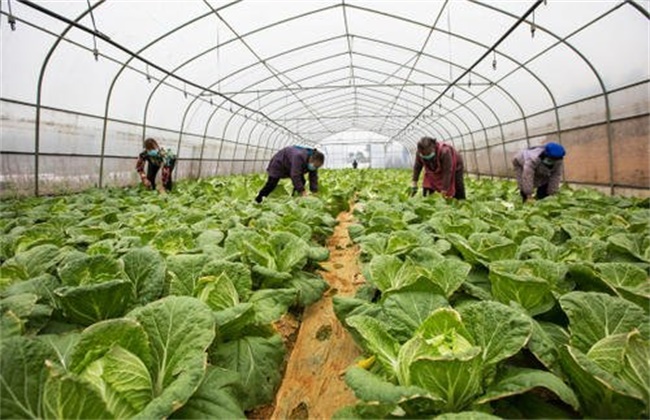
1. Harvest at the right time
In early spring, light is abundant. Although temperatures rise relatively quickly, nighttime temperatures are still fairly low. This is very suitable for the growth and development of leafy vegetables. Growers should adjust harvesting standards for vegetables according to market changes, comprehensively consider factors such as yield and price, and harvest at the right time. This improves the marketability of leafy vegetables and reduces the risk of lowering market prices and affecting returns because of concentrated harvesting and marketing.
2. Avoid bolting
For leafy vegetables, from the time sowing begins, the range of temperature variation is very large. For example, Chinese cabbage, baby cabbage, cabbage, and lettuce are highly prone to vernalization due to low temperatures. Therefore, attention should be paid to measures for the vegetables. Once bolting is found, they should be harvested early to avoid losing market value because of bolting and causing extremely large losses.
3. Reasonable fresh-keeping packaging
Before harvesting leafy vegetables, attention should be paid to controlling watering. In early spring, the temperature difference between day and night is relatively large. After harvesting, attention should be paid to keeping them warm and moist to prevent chilling injury and rot. After harvesting, they should be promptly covered with plastic film to avoid being left exposed. Reasonably choose fresh-keeping methods for vegetables to effectively extend the storage period. For leafy vegetables, methods such as wrapping paper, packaging boxes, and packaging bags should be used to extend the fresh-keeping period. At the same time, during harvesting and transport, try as much as possible to avoid breaking stems and leaves, reduce mechanical damage, lower the loss rate, and reduce the economic losses caused by this.
4. Proper home storage
After buying them and taking them home, also pay attention to refrigerating them promptly. The temperature of the refrigerator compartment in a home refrigerator is generally 2-6 degrees, while the suitable fresh-keeping temperature for leafy vegetables is between 0-5 degrees, so they are very suitable for storage in a refrigerator. In addition, when storing seedling vegetables with high water content, such as baby spinach and baby leaf lettuce, they can be wrapped in clean paper, because paper can absorb some of the moisture, thereby reducing the humidity of the leafy vegetables and avoiding rot caused by excessively high humidity.
The above is an introduction to the key management points for leafy vegetables after early spring harvesting. We hope it can help you. To learn more related knowledge, please follow us.