What are the precautions for vegetable seedling hardening?
Vegetable cultivation is very common in China, and when growing vegetables, seedling hardening is a very important task. To ensure strong vegetable plants, many people carry out seedling hardening after the vegetables have recovered from transplanting. However, when hardening seedlings, it is very easy to fail to hold them back or even to overdo it, so the desired goal cannot be achieved. In fact, there are many points we need to pay attention to during seedling hardening, so the editor below brings you the precautions for vegetable seedling hardening. Let's take a look!
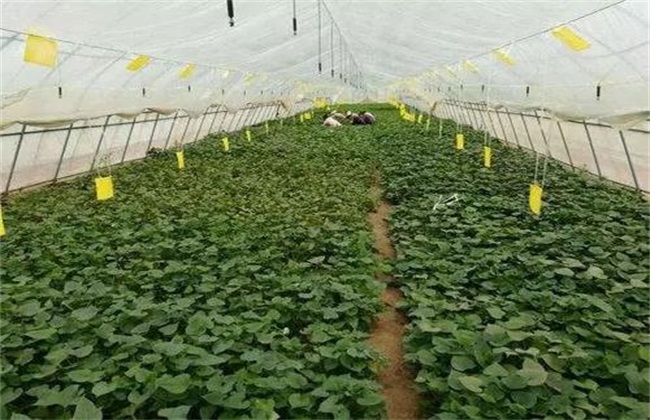
1. Pay attention to the timing of seedling hardening
When growing vegetables, after the vegetables have recovered from transplanting, their ventilation openings should be opened in good time, and the day-night temperature difference should be appropriately increased. Then pay attention to controlling fertilizer and water well, appropriately spray growth regulators, and so on, to do a good job of seedling hardening. When hardening seedlings, we should flexibly control the interval between hardening sessions according to the growth of the vegetables. Therefore, there is no strict requirement for the interval between each seedling hardening session. Generally it is about one week to two weeks, and it is enough when the seedling stems are thick and strong and the leaves are dark green. If you wait until the vegetables are leggy before hardening the seedlings, then there will basically be no effect, and they can only be regulated with chemical agents.
2. Do not harden seedlings that have already bloomed
There are many varieties of vegetables in China, and among them there are some that have already grown very large and have already bloomed by the time they are planted out. Many people still harden seedlings that have already bloomed at the time of planting out, but this is actually very unfavorable to the growth of the vegetables. If the seedlings have already bloomed, then they must not be hardened. This is because during the flowering period, vegetables have relatively high requirements for temperature, fertilizer and water, and if seedling hardening changes these conditions, it will have a great impact on the flowering and fruiting of the vegetables, leading to a decline in yield.
3. Duration of seedling hardening
When hardening seedlings, the duration is also something we need to pay a lot of attention to. We should appropriately adjust the seedling hardening time according to the climate of the growing region, soil moisture content, fertility and the planted variety. It will also be affected by the appearance and growth of the crop. Be sure to note that the seedling hardening time must not be too long, because if it is too long, it will affect the normal growth of the crop and affect flower bud differentiation. At the same time, it must not be too short, because if it is too short, the seedling hardening effect will not be achieved. If the growth period is relatively short, or the soil fertilizer and water are insufficient, and the crop growth is poor, then it is best not to harden the seedlings.
4. The role of seedling hardening
Seedling hardening is very beneficial to the growth of vegetables. If you want to ensure the yield and quality of vegetables, then seedling hardening is indispensable. When cultivating crops, proper seedling hardening can effectively inhibit the leggy growth of seedling stems and leaves. It is very beneficial to the growth of the crop root system, and its main role is to "toughen" the seedlings. It enhances the growth ability of the crop, improves the stress resistance and lodging resistance of the crop in the later growth stage, and coordinates the relationship between the vegetative and reproductive growth of the crop.
The above is a brief introduction to the precautions for vegetable seedling hardening. That is all for today's introduction. This article is for reference only, and I hope it can help everyone!