Correct Methods and Technical Key Points for Vegetable Root-Controlling (Dunmiao)
Vegetable cultivation is distributed throughout China, and when growing vegetables, we need to do a good job of root-controlling (dunmiao) during the seedling stage. Root-controlling can enhance the growth capacity of vegetable seedlings and lay a good foundation for the later growth of the vegetables. However, many people do not know how to carry out root-controlling, so how exactly should vegetable root-controlling be done? Today the editor brings you the root-controlling methods for vegetables. Let's take a look together below!
1. Fertilizer and Water Control During the Seedling Stage
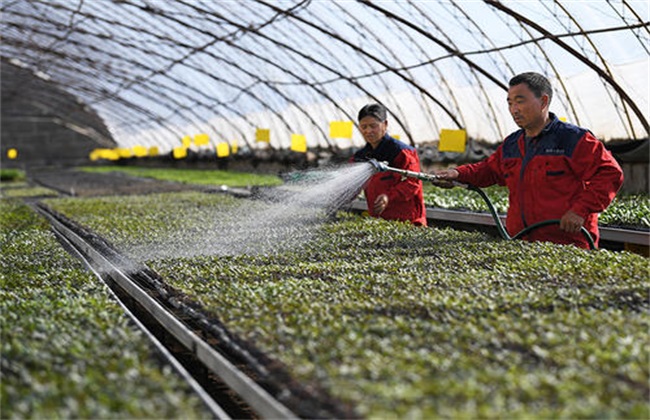
The most important part of vegetable root-controlling is to control fertilizer and water well during the seedling stage, ensuring that the plant internodes gradually become thick, short and sturdy and that the roots develop well. Be sure to reduce the amount of fertilizer and water; if there is too much fertilizer and water, it is very unfavorable to the growth of vegetable roots. Controlling fertilizer and water can ensure that vegetable roots effectively penetrate deep, and at the same time can improve the stress resistance of the seedlings. However, before starting root-controlling, you should still water thoroughly to ensure that the seedling roots can combine with the soil. Then, within one week after transplanting, do not water; but if the temperature is too high and the leaves droop due to lack of water, then you should still water appropriately to prevent the soil from cracking.
2. Soil Cultivation (Intertillage)
Cultivating the soil is also one of the main methods for vegetable root-controlling. Intertillage can cut off the capillaries in the soil, ensure that the soil surface is loose and soft, and at the same time can improve the storage capacity of the lower soil layer, which is very favorable for the vertical extension of the root system. Moreover, during intertillage, because some lateral roots are cut off, the crop's ability to absorb nitrogen and its metabolism are reduced, and the accumulation of carbohydrates in the crop is increased, which is very favorable for crop growth and can effectively reduce excessive vegetative growth.
During intertillage, pay attention to controlling the number of times and the timing according to the crop being planted, the growth condition of the seedlings and the actual soil conditions. If dryland crops are being planted, then it should be done during the seedling stage and before row closure; for crops such as rice, it should be done during the tillering stage. Generally, a crop in one season needs about 3 intertillages. However, if the crop has a long growth period, closes rows late, and the soil is sticky and impermeable, then the number of intertillages can be appropriately increased to ensure there are no weeds on the ground and that it is loose and soft. Finally, during the seedling stage of the crop, cultivate shallowly; in the middle stage, appropriately deepen to ensure root growth; in the later stage, before row closure, shallow cultivation is preferable.
3. Root-Controlling Methods and Timing
When we determine the root-controlling time and method for vegetable crops, there will be differences depending on the crop. For example, if it is a spring-sown crop such as sorghum or corn, then root-controlling is generally carried out from the thinning-to-stand stage to the jointing stage, and the root-controlling method is mainly scraping away soil to expose the roots to the sun. For some vegetables that are raised as seedlings and then transplanted, the amount of watering should be controlled while they are in the seedbed, and the seedlings should be hardened through drought. False planting (heel-in) can also be carried out to inhibit the growth of the aboveground part of the crop and improve its resistance to changes in the external environment.
The above is a brief introduction to vegetable root-controlling methods. That is all for today's introduction. This article is for reference only. Thank you all for reading and supporting.