What precautions should be taken when watering winter wheat with overwintering water?
Wheat is a very common food crop in our daily lives, and it is grown on a very large area in China. When growing wheat, we need to do a good job of watering. This is especially true of overwintering water, which is the key to ensuring that wheat survives the winter safely. And when applying overwintering water, there are many points we need to pay attention to. So let's take a look together with the editor below at the precautions for overwintering water on wheat!
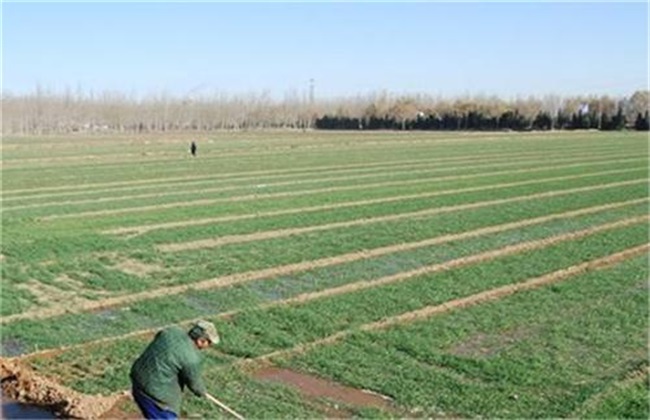
1. Pay attention to the watering time
When irrigating wheat with overwintering water, the first thing we should pay attention to is the irrigation time for wheat. When watering, it is best to ensure that the soil freezes at night and thaws during the day. This is usually done around the Xiaoxue solar term, and the average daily temperature should be maintained at around 8°C until it drops to 5°C, at which point watering should stop. The time for irrigating overwintering water should not be too early. If it is too early, because the temperature is relatively high, the water evaporates quickly. Therefore, it cannot keep the soil warm and preserve soil moisture. If the wheat field is growing well, then the wheat seedlings will also show excessive vegetative growth due to sufficient water and fertilizer, and in severe cases, they will even joint before winter, leading to frost damage to the wheat.
However, watering should not be too late either, which is the opposite of watering too early. If it is too late, because the temperature is already relatively low, the water after watering is not easy to infiltrate into the soil, resulting in standing water, and the surface is prone to freezing. This causes the wheat seedlings to suffer frost damage after winter irrigation and to die. When watering, you should choose to do it between 9:00 and 16:00, control the amount of water well, and ensure that after watering, the water can fully infiltrate on the same day. Do not flood irrigate, otherwise standing water will appear on the ground and form a frozen layer. After watering, do a good job of compaction and hoeing to avoid cracking on the ground surface, which lets in air and damages the roots and causes seedling death.
2. Pay attention to soil moisture and seedling condition
In order to ensure that wheat seedlings have suitable soil moisture content during the green-up stage. Usually, when the soil moisture is poor, that is, when the moisture content of the tillage layer of sandy soil is less than 16% and that of loam soil is less than 18%, then winter irrigation should be carried out in time. If it exceeds the index, then it means the soil moisture is still good, and the irrigation time can be appropriately delayed or winter irrigation can be skipped. If there are few roots and leaves and insufficient tillering, especially in late-sown wheat fields, winter irrigation should not be carried out. Then, if the growth is vigorous, the soil moisture is good, and the base fertilizer is sufficient, overwintering water may also not need to be applied.
3. Pay attention to the amount of water
The last thing we need to pay attention to is the amount of water. When carrying out winter irrigation, it should generally be done in the morning to ensure that before nightfall, the water can fully infiltrate into the soil. Usually, the irrigation amount per mu should be maintained at about 50 cubic meters. When watering, remember that the amount of water must not be too large. If the wheat field is lacking fertilizer, then topdressing should also be combined with winter irrigation. After watering, hoe in time to raise the ground temperature and ensure that the wheat survives the winter safely.
The above is a brief introduction to the precautions for overwintering water on wheat. That is all for today's introduction. This article is for reference only. Thank you all for reading and supporting.