Detailed Millet Cultivation Techniques: Key Points from Sowing to Harvest
Millet was originally called chestnut millet, and it was widely planted in ancient times. With the development of agricultural technology, many varieties of millet have now been developed. As people's awareness of health preservation has strengthened, the market demand for millet has also continued to increase. So how should millet be planted? Let's take a look together.
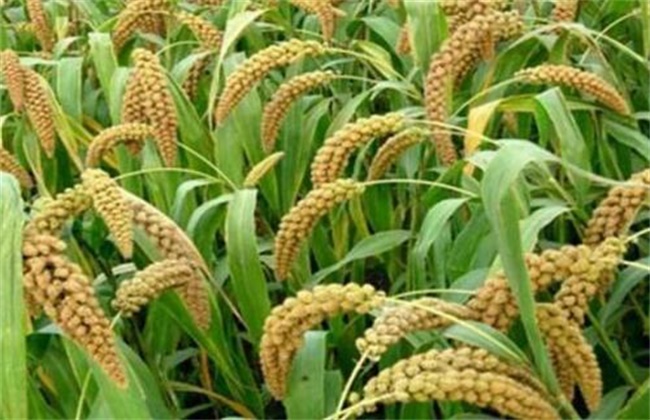
1. Land preparation and fertilization
Pay attention to crop rotation and stubble inversion. It is not suitable to continue planting millet on land where the previous crop was millet, so as to avoid severe pests and diseases. Land preparation is needed before sowing. Deeply plow the soil, improve the soil structure, enhance the soil's water retention capacity, and deepen the plow layer, which is beneficial for the millet root system to extend downward and for the plants to grow robustly, thereby effectively increasing the yield. At the same time, apply sufficient base fertilizer, generally mainly phosphate fertilizer plus decomposed farmyard manure.
2. Seed soaking and germination promotion
Choose excellent varieties with strong disease resistance. Treat the seeds before sowing. You can choose to sun the seeds on a sunny day to increase yield, then soak them in warm water for one day so they fully absorb water and the seed coats soften. Afterward, mix the seeds with Xinguozhimu (New High-fat Film). This can effectively avoid underground pest damage and isolate viral infection, and not only will it not affect seed germination, but it can also strengthen respiration and improve the seed germination rate and emergence rate.
3. Seedling stage management
When 2-3 leaves have emerged, inspect promptly. Once a situation of complete seedlings appears, concentrate on reseeding, and at the same time thin and fix the seedlings in time to ensure a reasonable density. Fix the seedlings at 5-6 leaves, and spray Xinguozhimu (New High-fat Film). This can effectively prevent aboveground water evaporation, prevent seedling water transpiration, isolate pest and disease damage, and make the seedlings grow strong. Weeding work should also be frequent. In dry conditions, pay attention to watering, and do not let them lose water for a long time.
4. Field management
Promoting strong seedlings, intertillage and weeding, timely watering, and reasonable topdressing - none of these tasks can be omitted. During flower bud differentiation, spray growth regulators to improve the quality of pollen fertilization. During the growth period, millet is highly prone to smut, red spider mites, and other pests and diseases, so targeted pesticides should be sprayed in time according to the plant's requirements for control. Mixing in spraying Xinguozhimu (New High-fat Film) can greatly improve pesticide utilization and achieve better control effects.
The above is an introduction to millet cultivation techniques. I hope it can help you. If you want to learn more related knowledge, please stay tuned to us.