Detailed Explanation of Management Techniques for Black Rice During the Heading and Grain-Filling Stage
Black rice is a special variety of rice; its nutritional value is higher than that of ordinary rice, and it also has extremely high medicinal value. In daily life, we often use it to make congee or other nutritious foods. In the process of cultivating black rice, the heading and grain-filling stage is the key period that determines the yield of black rice cultivation, and management during this period is extremely important. So how should black rice be managed during the heading and grain-filling stage? Let's learn about it together.
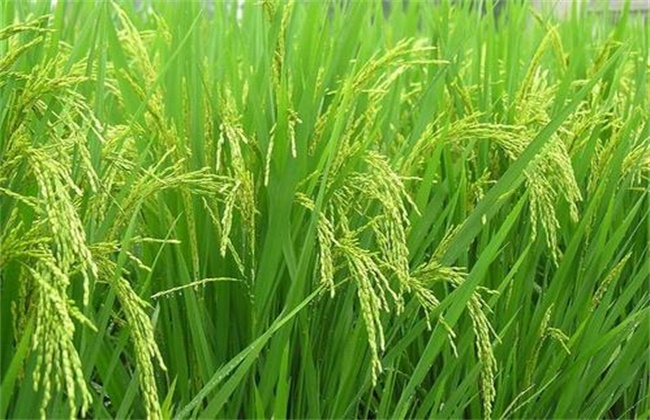
1. Reasonable water management
During the heading stage of black rice, it is a period when the plant is relatively sensitive to water. From heading to the grain-filling stage, shallow water should be maintained. For plots with excessive vegetative growth and lodging or with a high groundwater table, intermittent irrigation can be implemented, while sandy fields should maintain water-layer irrigation. During the dough stage of black rice, irrigation should be done by alternating dry and wet conditions, with drying as the main approach. At the end of the dough stage, brief flowing irrigation should be the main method, which helps enhance soil permeability, improve root activity, and benefit grain filling. To promote yellow ripening and facilitate harvesting, water is generally drained one week before harvest. Be sure not to cut off water and let the field dry out, so as to avoid reducing single-grain weight.
2. Fertilize as appropriate
During the grain-filling process, the nitrogen and sugars transported from the leaves into the rice grains are always input in a certain proportion. If nitrogen is insufficient, the nitrogen in the stems and leaves will be transferred to the grains, causing premature leaf senescence and reducing photosynthetic products. Therefore, during the grain-filling stage, a small amount of nitrogen fertilizer should be supplemented as appropriate to extend leaf lifespan, effectively enhance photosynthesis, promote full grains, and increase grain weight. This is an important measure for improving both yield and quality.
3. Prevent lodging
In addition to attaching importance to base fertilizer, reasonable close planting, and strengthened field management, later stages also require attention to preventing water cutoff too early and deep flooding, so as to avoid lodging caused by green wilt and soft stems. Special attention must be paid to this.
4. Control pests and diseases
The main pest and disease during the heading and grain-filling stage of black rice is rice blast on the panicle neck, which is a major disease in the rice cultivation process. Its damage is severe and often causes serious yield reduction. Next are bacterial leaf blight and sheath blight, for which targeted control work should be carried out. In addition, when spraying pesticides, pay attention to safety, avoid direct skin contact, and do not damage the leaves.
The above is an introduction to management techniques for black rice during the heading and grain-filling stage. We hope it can help you. If you want to learn more related knowledge, please stay tuned to us.