Detailed Explanation of Key Points and Management Methods for Growing Tah Tsai
Tah tsai, also called chrysanthemum greens, is grown for its tender stems and leaves, which have a distinctive chrysanthemum-like fragrance. It is currently cultivated on a small scale in various parts of southern China. So how do you grow tah tsai? Let's find out together.
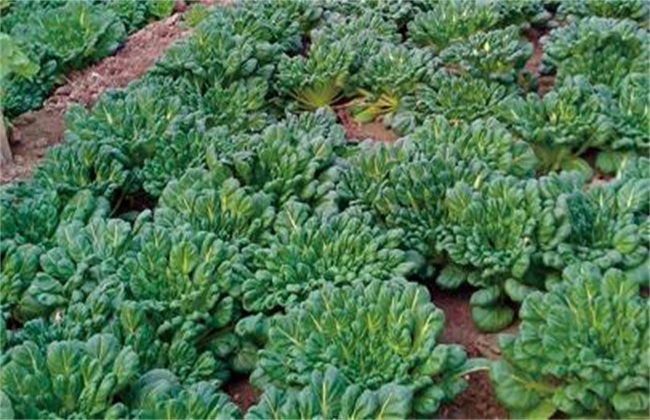
1. Land Preparation and Sowing
Before sowing, apply sufficient base fertilizer, mainly well-rotted farmyard manure, and at the same time plow deeply and harrow finely, forming flat beds. When sowing, mix the seeds evenly with fine sand and broadcast them, then cover with a layer of fine soil about 0.5 cm thick. After sowing, cover with a shade net and water thoroughly. In early spring, when temperatures are lower and there is more rain, it is best to cover with plastic film to keep warm and retain moisture. Seedlings generally emerge in about 10 days; at this point, remove the shade net and plastic film promptly, and when there are 2-3 leaves, they can be transplanted to the field.
2. Transplanting and Setting Out
Tah tsai is afraid of waterlogging and cannot tolerate standing water, so when cultivating it you should make deep furrows and raised ridges to facilitate smooth drainage. In addition, as a perennial herbaceous plant, it requires a lasting supply of soil nutrients, so you should choose sandy loam soil that is fertile, convenient for drainage and irrigation, and loose and breathable. Before setting out, also apply sufficient base fertilizer, with 2000-2500 kg of well-rotted farmyard manure per mu. After fertilizing, plow deeply and harrow the soil, and prepare the beds. Then select robust plants free of pests and diseases, and choose an overcast day or a sunny afternoon for setting out. Plant at a reasonable density, and water thoroughly after setting out to help the seedlings recover.
3. Fertilizer and Water Management
Five days after setting out, tah tsai needs one topdressing to promote bushy growth, and after that, topdress once every 7-10 days, using a combination of farmyard manure, compound fertilizer, and urea. During high-temperature and drought periods in summer, water promptly, but never allow standing water in the field. In the rainy season, pay attention to drainage and waterlogging prevention to avoid root rot. Tah tsai has strong branching ability, and its side branches sprout quickly, so it has a relatively high demand for fertilizer. When grown on poor land, appropriately increase the number of topdressings.
4. Field Management
Before the plants close the rows, carry out intertillage and weeding, which can prevent soil compaction and benefit root growth and development. Before winter, after harvesting the old stubble and stalks, it is advisable to loosen the soil and earth up the plants. Tah tsai grows vigorously and has strong branching ability, so necessary pruning must be carried out to control plant growth, promote side buds and branching, facilitate field management, and improve ventilation and light penetration. Also before the plants close the rows, harvest and pinch off the tops to promote the sprouting of side buds and increase yield.
The above is an introduction to tah tsai growing techniques. We hope it helps you. To learn more related knowledge, please stay tuned to us.