Key Technical Points for Late-Stage Management of Spring Potatoes Grown under Plastic Mulch
China's cultivation techniques are becoming more and more advanced, and most vegetable crops can now be grown out of season. Potatoes are certainly no exception, and many people now plant potatoes in spring. Spring potato planting is mostly done under plastic mulch, and the management of mulched spring potatoes is very important, especially in the late stage. So today, the editor brings you the late-stage management of spring potatoes under plastic mulch. Let's take a look!
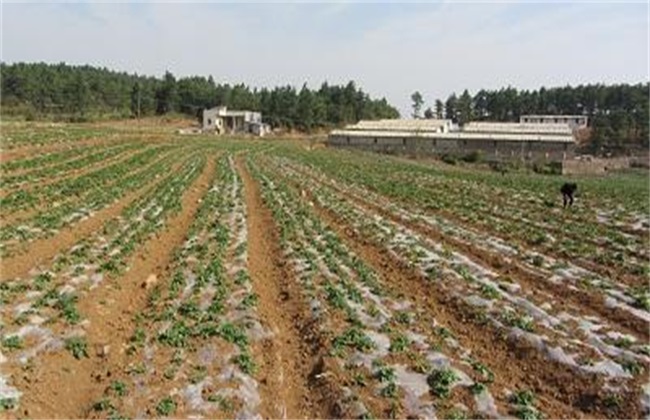
1. Removing the mulch and earthing up
When planting potatoes under plastic mulch in early spring, once the above-ground part of the potato plants has grown to about 30cm tall, and around the bud stage, when the underground tubers begin to swell and the surrounding average temperature has stabilized at around 25°C, the plastic mulch should be removed promptly. After removing the mulch, we should also do a good job of weeding, and then earth up around the base of the potato plants about twice. Proper earthing up is very beneficial to potato yield and can also prevent diseases such as potato greening.
2. Water and fertilizer management
When potatoes enter the late growth stage, this is generally the tuber swelling stage. At this time, the swelling of potato tubers requires large amounts of nutrients and water. So we should pay attention to water and fertilizer management. When the potato tubers have grown to about the size of a ping-pong ball, they can be watered and fertilized. Potato growth has a high demand for potassium, so when topdressing, we should pay attention to appropriately increasing the amount of nitrogen and potassium fertilizer. Topdress about once every ten days, and two topdressings are enough. If there is continuous dry weather, then watering should be done well to prevent potatoes from lacking water and hindering tuber swelling.
3. Pest control
In the late growth stage of potatoes, pest control is also very important. The main pests include white grubs and aphids. Aphids harm the growth of potato leaves and also easily carry the pathogens of viral diseases, causing serious effects on potato yield. We can use imidacloprid for control, spraying once a week, and two sprays are enough. White grubs mainly harm potato tubers and can likewise cause reduced yield and insufficient commercial value. To control white grubs, agents such as phoxim can be used for root irrigation, and the control effect is very good.
4. Pay attention to controlling excessive growth
Controlling excessive growth in the late growth stage of potatoes also requires our special attention. If potatoes grow excessively, the above-ground part will consume large amounts of nutrients, causing the underground tubers to lack nutrients and be unable to swell. Therefore, when the potato plants close the rows, the horizontal flower clusters on the plants should be removed. Then, at the second flowering, remove the upper and lower flower clusters, and also pay attention to breaking off the growing points on the main stems. We can also appropriately spray agents and fertilizers to control excessive growth. For example, foliar sprays of monopotassium phosphate and zineb.
The above is a brief introduction to the late-stage management of spring potatoes under plastic mulch. That is all for today's introduction. This article is for reference only, and we hope it can help everyone!