How to fertilize greenhouse vegetables in early spring? Detailed explanation of the key technical points
In spring the temperature is relatively low, but in early spring the temperature is still rather low, and the light is relatively weak, which causes the seedlings to grow weakly with thinner stems; this kind of problem is still quite common. The seedling stage is also the foundation for flowering and fruit setting, and whether the seedlings grow vigorously is related to the later flowering and fruiting; fertilization accounts for a very large part of this. So how should greenhouse vegetable seedlings be fertilized in early spring? Follow the editor and take a look.
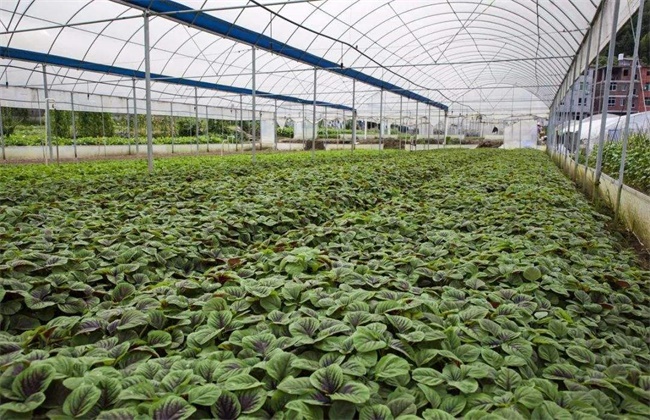
1. Adjust the base fertilizer ratio
The vegetable seedling stage is extremely prone to excessive vegetative growth, which is closely related to the nitrogen content in the base fertilizer. At present, the most commonly used base fertilizer among many farmers is poultry and livestock manure. This kind of fertilizer has an extremely high nitrogen content, and it mainly exists in the form of uric acid; after being applied to the soil it turns into ammonium nitrogen, which is the most likely to promote excessive vegetative growth. If you want to control excessive vegetative growth of vegetables at the seedling stage, adjusting the base fertilizer ratio is key. Farmers are advised to add fermented and decomposed farmyard manure, straw, etc. to the base fertilizer, then deeply plow the soil, and appropriately pair it with decomposed soybean meal organic fertilizer, medium and trace element fertilizers, etc., so that the base fertilizer ratio is more reasonable. This is the foundation for ensuring that the seedlings grow vigorously.
2. Make good use of organic activated nutrient fertilizer
When the seedlings are transplanted, you can use hymexazol + 1000 times solution Jiamei Hongli to drench the roots and irrigate the roots, which has an excellent effect on regulating plant growth and controlling excessive growth. This is because the beneficial bacteria in Hongli can promote the conversion of nitrogen fertilizer, effectively reduce the ammonium nitrogen content in the soil, and at the same time increase the nitrate nitrogen content, promote the roots to grow downward, improve the absorption function of the root system, and promote robust plant growth. However, nowadays many farmers do not pay attention to the application of this aspect, which often results in uneven seedling quality.
3. Supplement medium and trace elements
When the seedlings are recovering from transplanting, spraying 1000 times solution Jiamei Nao Baijin can help adjust the nutrient ratio in the plant, reduce the nitrogen fertilizer content, and thereby regulate growth. In addition, when watering to help the seedlings recover from transplanting, apply organic fertilizer with the water, which can not only effectively regulate the nutrient absorption of the root system, promote root growth, improve the stress resistance of the root system, and reduce excessive vegetative growth of the plant, but also effectively promote flower bud differentiation, improve the quality of flowering and fruiting, reduce the phenomenon of deformed fruit, and increase yield and quality.
The above is an introduction to fertilization techniques for greenhouse vegetables in early spring. I hope it can help you. If you want to learn more related knowledge, please stay tuned to us.