What are the key points for spring greenhouse management? Explained in one article
In spring, as temperatures rise, nighttime temperatures inside the greenhouse also keep increasing. At this time, even a slight mistake in greenhouse management can lead to many problems, which is extremely detrimental to crop growth. Therefore, spring greenhouse management must pay attention to the following points. Follow along with the editor to learn about them.
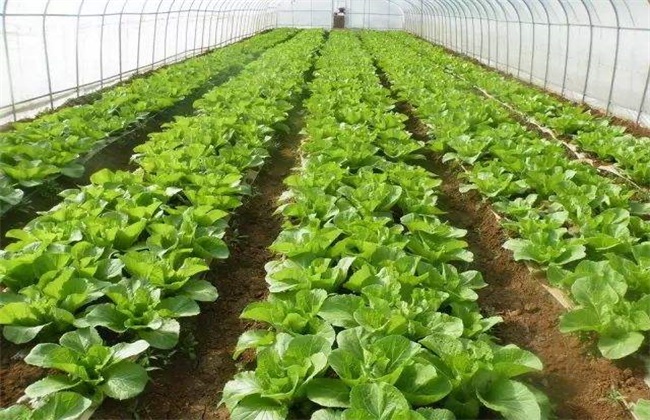
1. Prevent excessive vegetative growth
As temperatures rise and the difference between day and night temperatures narrows, plants and crops are highly prone to excessive vegetative growth, especially solanaceous and cucurbit vegetables, where it is most obvious. Once excessive vegetative growth occurs, it easily leads to flower and fruit drop, and also easily produces deformed fruit. To prevent excessive vegetative growth, first control the seedling age and transplant in time so as not to miss the best planting time. Within 15-30 days before transplanting, complete soil preparation, fertilization and light exposure, and at the same time dig drainage ditches for irrigation and drainage, so that during the rainy season water can be drained effectively and humidity reduced, which helps slow growth. When excessive vegetative growth has already occurred, take timely measures to reduce losses to a minimum. First, in combination with intertillage and weeding, cut part of the root system to weaken root absorption capacity and control aboveground plant growth, but the taproot should not be cut. At the same time, use plant growth regulators to drench the roots and control excessive vegetative growth.
2. Prevent late spring cold
The most serious hazard in spring is late spring cold, which has an enormous impact on crops. Therefore, after the seedlings emerge uniformly, the seedbed should be ventilated in time, and as temperatures rise, ventilation should be gradually increased to improve low-temperature hardening of the seedlings and increase their cold resistance. Before late spring cold arrives, irrigate at the right time to reduce the degree of freezing injury, or use a sprayer to spray water on the plant surface to increase air humidity, which can delay freezing injury. In protected cultivation, before a cold wave arrives, a coal stove can be set up in the greenhouse or electric heaters or warming blocks can be used for temporary heating to raise the temperature inside the greenhouse and prevent freezing injury, but attention must be paid to ventilation to avoid gas poisoning.
3. Prevent hormone poisoning
After temperatures rise, when carrying out flower spotting and gourd dipping, the concentration of the treatment solution should also be reduced accordingly. Too high a concentration will affect the plant's flower bud differentiation, cause leaf wrinkling and deformity, and produce deformed fruit. When hormone poisoning occurs, first spray a large amount of clean water, which can both wash off the liquid on the plant surface and dilute the liquid concentration. At the same time, spray growth regulators to enhance recovery ability and quickly restore normal plant growth. After that, carry out topdressing and loosening the soil and light exposure to enhance the plant's own recovery ability and eliminate the phytotoxicity. At the same time, for the agent that caused the phytotoxicity, spray the corresponding mitigating agent.
4. Prevent and control pests and diseases
After temperatures rise, pests and diseases also occur relatively commonly. Adopt measures focused on prevention and integrated control to control the spread of pests and diseases. For common vegetable diseases, spray timely for control, and the same applies to pests. After entering April, with high temperatures and strong light, crops are highly prone to sunscald. Measures such as removing leaves and pinching off branches can be taken, but not too much at one time. Spray foliar fertilizer to promote flowering and fruit setting and prevent physiological diseases.
The above is an introduction to the key points for spring greenhouse management. I hope it can help you. To learn more related knowledge, please follow us.