Detailed Explanation of Key Techniques for Growing Peppers in Early Spring
For many people, peppers are an indispensable vegetable at every meal. There are many varieties of peppers, and they are basically grown in every part of our country. In the past, peppers were basically grown in summer, but now growing techniques are becoming more and more mature, so peppers can also be grown in early spring. So how should peppers be grown in early spring? Today, the editor brings you early spring pepper growing techniques. Let us take a look below!
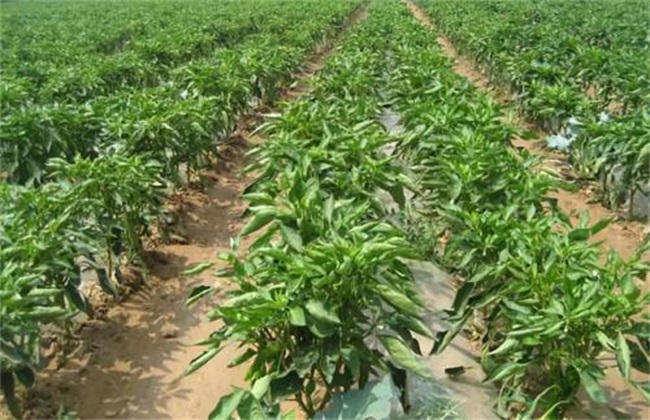
1. Soil treatment
When growing early spring peppers, if the greenhouse is reused many times, then the number of pathogenic bacteria in the soil is also very large, which is also very unfavorable to the growth of peppers. So we should pay attention to disinfecting the soil. Disinfectants such as metham sodium and lime nitrogen can be used. Before treatment, organic fertilizer should be applied and disinfected together with the fertilizer, and then after treatment, an appropriate amount of phosphorus and potassium fertilizer and biological bacterial fertilizer should be applied. Generally, an appropriate amount of organic fertilizer, diammonium and potassium sulfate and other fertilizers are applied per mu as base fertilizer. If you are worried about a lack of elements such as calcium and magnesium, then an appropriate amount of magnesium sulfate can also be applied. Finally, form ridges and make beds to prepare for planting.
2. Timely planting
The seedling raising work for early spring peppers is the same as the normal pepper seedling raising method. Because peppers like to grow in a warm environment and have relatively poor frost resistance. So when planting, note that the temperature should be stable at about 5 degrees or above. Also, the soil temperature within 10 cm must not be lower than 12 degrees. Planting should be done in the morning to improve the survival rate of seedling planting. After planting, water the pepper seedlings one by one, thoroughly watering the soil ball, to help the pepper seedlings recover. Then after the seedlings recover, a recovery water should also be poured once in the morning on a sunny day.
3. Management during the seedling recovery period
After early spring peppers are planted, the temperature is still relatively low, and a low-temperature and high-humidity environment is likely to occur, which is very unfavorable for the recovery of pepper seedlings. So we should pay attention to doing a good job of heat preservation. During the day, ventilate with the vent opened as little as possible or not at all. The temperature should be maintained at about 18 degrees, and the lowest temperature at night should not be lower than 15 degrees. Then after the seedlings recover, note that recovery water should be poured once, and it should not be too much. After watering, do a good job of intertillage and loosening the soil to increase the ground temperature. According to the soil moisture and seedling conditions, water about twice to promote the seedlings to stay firm. During the seedling recovery period, the main focus is on promoting roots and strengthening seedlings, controlling the temperature well, and ensuring the normal growth of the seedlings.
4. Management during the flowering and fruiting period
For peppers grown in early spring, the first pepper is usually removed, unless the plant shows excessive vegetative growth, in which case it is difficult to control the growth of the first pepper. Then when the paired peppers begin to expand, the pepper fruiting period begins. At this time, sufficient fertilizer and water should be maintained, and each watering should be combined with topdressing. The fertilizer is generally mainly water-soluble compound fertilizer such as chitin. Then in March to April, it is mostly the full fruiting period of early spring peppers. At this time, the temperature in the greenhouse is relatively high, and the photosynthesis of the plants is also relatively strong. The suitable temperature should be controlled at about 28 degrees, and at night it should not be lower than 14 degrees, to ensure the robust growth of peppers.
The above is a brief introduction to early spring pepper growing techniques. That is all for today's introduction. This article is for reference only, and I hope it can help everyone!