The correct method and precautions for removing leaves from tomato plants
Removing leaves from tomato plants not only improves air circulation between plants and reduces the chance of pests and diseases breeding, but also removes leaves affected by disease, which reduces the spread of pathogens; removing old leaves also avoids unnecessary consumption of nutrients. So how should you remove leaves from tomato plants? What should you pay attention to? Let's take a look together.
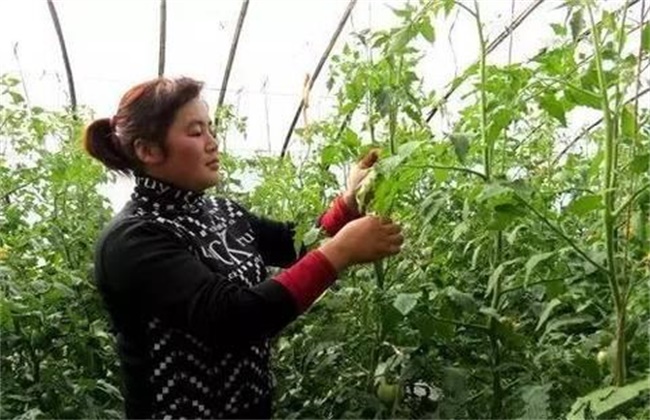
I. Leaf removal methods
1. Old leaves
In the late growth stage of tomato plants, there are many aged leaves on the lower part of the plant. If these leaves are not removed in time, they may not only cause the plant to become diseased, but also consume the tomato's nutrients, causing unnecessary waste, so this kind of old leaf must be removed in time.
2. Thick, heavy leaves
Some tomato leaves are thick and heavy, which seriously affects the ventilation and light penetration of the tomato plants, so they can be removed together when removing leaves. However, some technical issues must also be followed when removing leaves; do not remove too aggressively, otherwise photosynthetic efficiency will drop severely, which is very unfavorable to tomato growth.
3. Bottom leaves
When tomatoes are about to ripen, the leaves at the bottom and lower part of the tomato plants should be removed in time. This can maximize the air circulation inside the greenhouse, and their presence also competes with the fruit for water and nutrients during growth and development, affecting later yield.
4. Yellowing leaves
When yellow leaves appear on tomato plants, they should also be removed in time, because these yellow leaves are very likely caused by infection with pests or diseases. If not removed in time, since the leaves may already carry pathogens, they will gradually infect other leaves, eventually causing the whole plant to wither and die, and yield will naturally be affected as well. However, if the yellow leaves are caused by a lack of water or nutrients, they should appear one by one; for this kind of yellow leaf, you only need to strengthen fertilizer and water management and they can return to normal, with no need to remove them.
II. Precautions
When removing leaves, do not remove all the leaves at once. Remove at most the bottom two leaves each time, and there must be an interval of more than 10 days between two leaf removals. Only in this way can the tomato plants grow vigorously. In addition, pay attention to the timing when removing leaves. Do not remove leaves in the morning or evening. Generally, choose noon for leaf removal, because in the morning and evening there is dew on the leaves, and after the leaves are picked off, the wounds will become infected, while at noon the temperature is high, and after picking the leaves, the wounds dry very quickly. Of course, after removing leaves you can also spray some pesticide to prevent pathogens from taking advantage of the wounds.
The above is an introduction to tomato leaf removal methods and precautions. We hope it helps you. If you want to learn more related knowledge, please stay tuned to us.