What are the precautions for pruning peppers? Getting these points right is key
During pepper cultivation, to ensure good fruit set and effectively increase yield, pruning peppers is very necessary. So how should peppers be pruned? What precautions should be taken when pruning? Let's take a look together below.
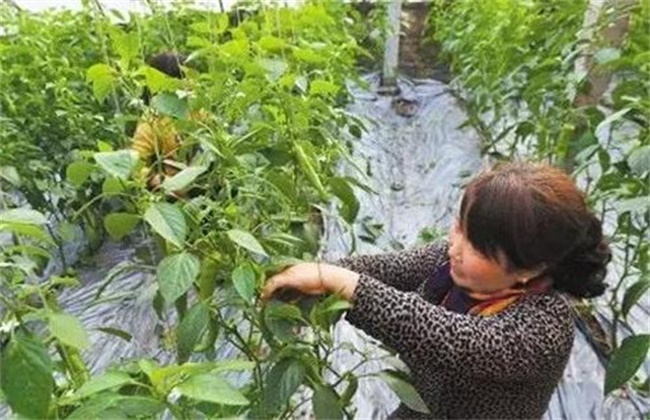
1. Pay attention to the pruning position
Pruning should be done at the four main branch forks. Peppers generally have four main branches. When the high-temperature season arrives, the four main branches will extend to produce eight side branches. After the side branches grow, they will affect air and light penetration, and the fruits they bear are not only few, but also very prone to dropping and rotting, and may also cause various diseases, leading to reduced yield and poor quality. When pruning, cut off the eight side branches so that nutrients are concentrated in supplying the four main branches. This can not only improve air and light penetration, but also increase yield and quality, achieving two goals at once.
2. Pay attention to the pruning time
Pruning time is also relatively important. It should be chosen during the summer high-temperature period, preferably from late July to early to mid-August. At this time, the first crop of fruits has already been picked, and the plant, under conditions of small day-night temperature differences, is in a resting state. At this time, the pruning effect is best.
3. Pay attention to the pruning method
Pruning should be done with relatively sharp scissors, and the cut should be required to be smooth to prevent pest and disease infection after pruning. Never break branches by hand, as this causes relatively great damage to the plant. When pruning, conveniently trim off branches seriously damaged by pests and diseases, drooping branches that bore too much fruit earlier, and broken branches caused by improper management. Branches trimmed off by hand should be collected promptly and taken out of the field, especially branches with severe pest and disease damage, which should be taken out of the field to prevent pathogens from continuing to infect.
4. Pay attention to post-pruning management
After pruning, quickly apply fast-acting fertilizer and water in time. Generally, apply 5-7.5 kg of urea per mu to promote plant growth, development, and fruiting. If the soil is relatively dry, topdressing and watering can be combined to increase fertilizer use efficiency. You can also spray a low-concentration mixed solution of urea and potassium dihydrogen phosphate on the leaves, and choose to spray on cloudy days or in the morning and evening of sunny days. In addition, after pruning, also pay attention to weeding and controlling pests and diseases.
The above is an introduction to the precautions for pruning peppers. I hope it can help you. If you want to learn more related knowledge, please stay tuned to us.