Analysis of the Causes of Edible Mushroom Mycelium Shrinkage and Control Methods
Edible mushroom cultivation techniques are not difficult nowadays, but every step must be strictly followed. Any oversight will lead to unwanted microorganisms, diseases and mycelium shrinkage, which is extremely fatal to edible mushroom cultivation and seriously affects growers' income. So what causes edible mushroom mycelium shrinkage? How should it be controlled? Let's take a look together.
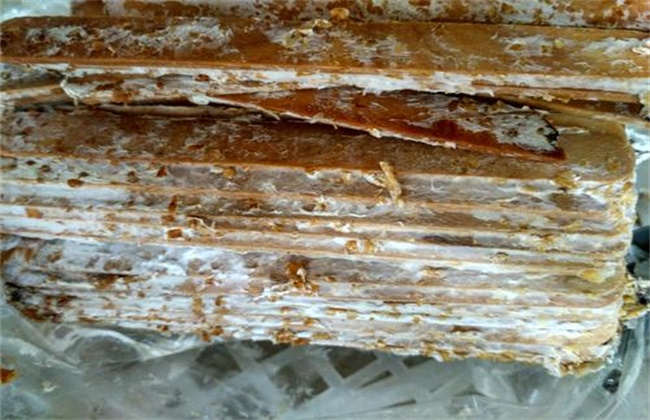
1. High temperature burning the mycelium
If the temperature is too high during the cultivation of edible mushrooms, and the substrate is rather thick, and the substrate temperature has not stabilized and dropped after fermentation, then inoculating the mycelium directly at this time will very likely cause mycelium shrinkage.
Control method: During the edible mushroom cultivation period, try to avoid the high-temperature period and keep the substrate temperature below 25°C. Once mycelium shrinkage occurs due to high temperature, immediately turn the pile and ventilate, then readjust the moisture of the substrate and sow again to ensure smooth mycelial growth.
2. Excessive ammonia
When building the substrate pile, many growers increase the application of nitrogen fertilizer, or add nitrogen fertilizer only at the late stage of fermentation. This will cause a large amount of ammonia to be present in the substrate, and after inoculation it will cause mycelium shrinkage.
Control method: During edible mushroom cultivation, add an appropriate amount of chemical fertilizers such as urea when building the pile, which can prevent ammonia from appearing later. If ammonia has already been found in the substrate, open the ventilation openings promptly and turn the material with formaldehyde, and sow only after there is no more ammonia.
3. Substrate too dry or too wet
A substrate that is too dry can also cause mycelium shrinkage. Coupled with dry weather, the mycelium grows slowly through the substrate after germination, and over time it will shrink. In addition, too much water in the substrate, when casing soil is applied and high-temperature weather occurs, will also cause insufficient oxygen for the mycelium and lead to shrinkage.
Control method: When too dry, cover with a layer of fairly wet rice straw, generally soaked in lime water. If dry weather occurs after sowing, close doors and windows after three days. When there is too much water, pay attention to controlling it, especially in the pile; it should be neither too high nor too low. If the moisture content is found to be too high when turning the pile, spread it flat immediately to dry.
4. Poor quality of the spawn
If the purchased spawn has already heated up, its vitality will naturally decline. It is also possible that the spawn was not planted in time after purchase, so the spawn simply aged and naturally grew slowly. Therefore its growth is relatively weak.
Control method: Choosing spawn is extremely important. Try to choose a suitable substrate for cultivating spawn, and preferably a variety with good germination ability and sturdy mycelium. When purchasing spawn, try not to choose times when the temperature is relatively high, and do not use spawn that has already aged.
The above is an introduction to the causes of edible mushroom mycelium shrinkage and control methods. We hope it can help you. To learn more related knowledge, please stay tuned to us.