Causes of Abnormal Leaf Drop in Peppers and How to Prevent It
During the cultivation of peppers, leaf drop often occurs in the later stages of growth, which is relatively normal. However, if leaf drop occurs in the early to mid-growth stages, and especially if it is heavy leaf drop, then you need to be cautious. So what causes abnormal leaf drop in peppers during the early to mid stages? Follow along with the editor to find out.
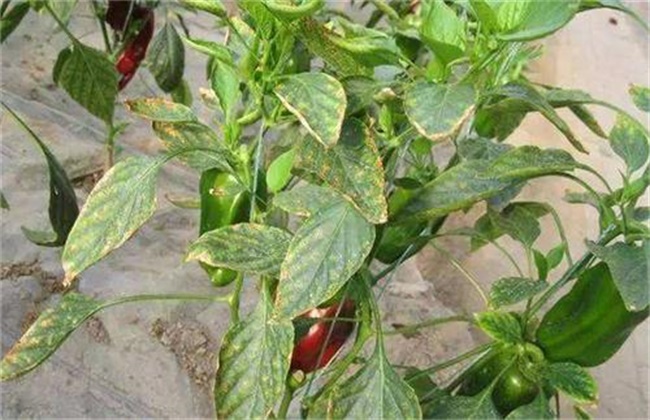
I. Causes of Abnormal Leaf Drop
1. Drought and Waterlogging
During cultivation, water has a fairly large effect on peppers. If the field is waterlogged or drought-stressed for a long time and watering is not done in time, the plant will suffer from severe water shortage, the leaves will wilt and dry up, and in severe cases a large number of leaves will drop. In addition, if it rains for a long time without good drainage measures, water will accumulate in the field, which can also cause leaf drop.
2. Insufficient Nutrients
During pepper cultivation, nutrients are extremely important. If fertilizer is applied insufficiently and nutrients cannot keep up, the leaves will drop due to lack of nutrients.
3. Temperature
Peppers are relatively sensitive to temperature. If the temperature is too high or too low, it is not suitable for pepper growth. Generally, between 15-35, peppers can grow normally, but if they are exposed to temperatures below 15 degrees or above 35 degrees for a long time, peppers will show heavy leaf drop.
4. Density
During pepper cultivation, if planting is too dense, then in the mid to late stages the field will have poor air permeability, which will seriously affect photosynthesis and respiration in the peppers, causing heavy leaf drop.
5. Diseases
Diseases are the main cause of pepper leaf drop, such as viral disease, anthracnose, and gray leaf spot. Once a disease occurs, if it is not prevented and controlled in time, it will not only cause leaf drop but also affect yield.
II. Prevention and Control Measures
1. Choose Disease-Resistant Varieties
There are many pepper varieties. When buying seeds, you should choose varieties with strong disease resistance that are suitable for local cultivation. In addition, seed soaking treatment is also needed before sowing.
2. Reasonable Close Planting
When planting, deep furrows and high beds can be used as a cultivation measure. This can both ensure air permeability in the field and also very effectively prevent waterlogging damage.
3. Crop Rotation
If leaf drop occurs rather severely, you can rotate with non-solanaceous crops, and the rotation interval should preferably be 2-3 years. At the same time, after the pepper harvest, remember to clean up diseased and residual plant material.
4. Fertilizer and Water Management
For fertilizer management, pay attention to the use of base fertilizer and topdressing. Before sowing, broadcasting organic fertilizer is better. At the same time, do not apply only nitrogen, phosphorus, and potassium fertilizers; you can also spray medium and trace elements on the leaves. During drought, irrigate and water in time. If there are continuous rainy days, drain water and reduce humidity in time.
5. Disease Control
For diseases, prevention should be taken as the main principle of control. When symptoms appear in the field, spray promptly for control. The agents that can be used include chlorothalonil, thiophanate-methyl, and others. Then choose the appropriate agent according to the disease. Depending on the control situation, it can be sprayed multiple times at intervals of 7-10 days.
The above is an introduction to the causes of abnormal leaf drop in peppers and the prevention and control methods. We hope it can help you. If you want to learn more related knowledge, please stay tuned to us.