How to grow black peanuts? Remember these cultivation precautions
Black peanuts are also a type of peanut, also known as selenium-enriched peanuts. They have high nutritional value and are black in color. In recent years, they have sold extremely well in production, but this kind of peanut is relatively rare in daily life, because peanuts in most areas are red. So what should be noted when cultivating black peanuts? Follow the editor to learn about it.
1. Soil
Black peanuts are not very strict about soil requirements and are suitable for growing in various soils with a pH value of 5.5-7.2. It is best to plant them in soil with deep soil layers, active plow layers, good soil properties, and good drainage. This is beneficial to their growth and development, can also increase yield and quality, and obtain better returns.
2. Land preparation and fertilization
The plot for planting black peanuts should be deeply plowed 25-30 cm. At the same time, in combination with winter plowing, apply 2500-3000 kg of decomposed farmyard manure per mu. After the beginning of spring the next year, shallow plow 10-15 cm, and make sure to plow and harrow immediately to preserve soil moisture. When the ground temperature at a soil depth of 5 cm stabilizes above 15 degrees, sowing can be carried out. Before sowing, in order to reduce the harm of diseases and insect pests, seeds can be treated with chemicals. 100 g of 50% phoxim mixed with 50 kg of seeds can prevent insect pests; 150-250 g of 40%-50% carbendazim mixed with 50 kg of seeds can control stem rot.
3. Ridge planting
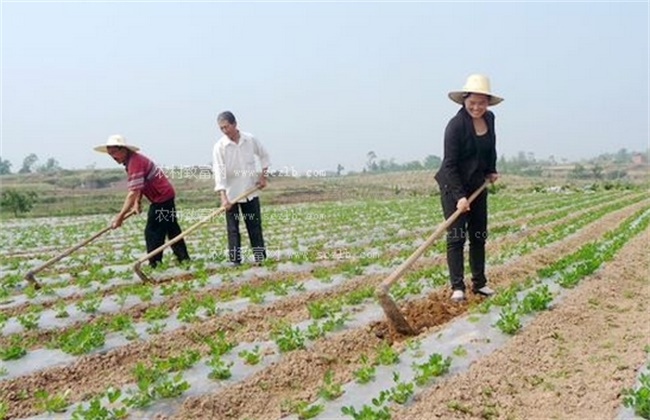
Planting on ridges can deepen the active soil layer, allow light from three sides, effectively increase ground temperature, and help the pegs enter the soil and the pods grow and develop. For single-row planting, apply 50-100 kg of peanut special fertilizer per mu when making ridges. Make ridges and fill them in at any time. According to the actual soil conditions, plant 8000-11000 plants per mu. It is best to use plastic film mulching. The ridge height should preferably be 10-12 cm. If it is too low, it is not conducive to drainage. When covering with film, the lower edge of the ridge slope should be covered tightly and pressed firmly, so that the film is not easily blown off by the wind.
4. Pest and disease control
1-2 days after sowing black peanuts, promptly spray herbicides for weed control. At the seedling stage, promptly control aphids, cotton bollworms, red spider mites, and others. For pests, preventive measures should be taken, and fungicides such as carbendazim and mancozeb should be sprayed 1-2 chi per month for control.
The above is an introduction to the precautions for cultivating black peanuts. I hope it can help you. If you want to learn more related knowledge, please follow us.