Key Field Management Measures for Cotton After Waterlogging Damage
Cotton is a crop with relatively strong tolerance to waterlogging. After 2-3 days of waterlogging, the plants remain intact once drainage is done; after more than ten days of waterlogging, its leaves fall off and the taproot half rots. As long as the growing point is not dead, with timely management after drainage, the plants can resume growth in about 20 days. So how should cotton be managed after waterlogging? Let's learn about it together.
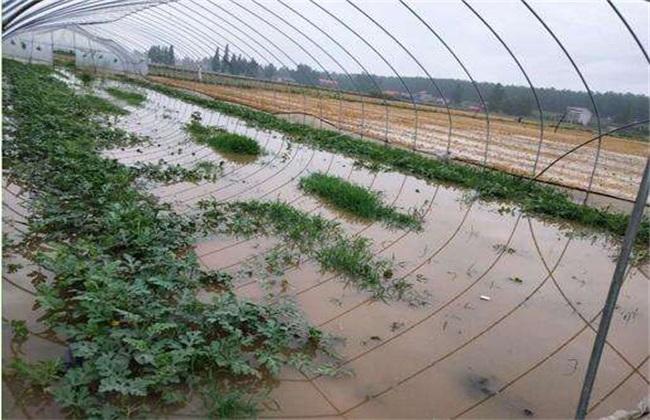
1. Drainage and straightening of seedlings
Although cotton plants can continue to grow after the cotton field is waterlogged, if the waterlogging lasts too long, it will seriously affect the root activity of the plants and very easily cause a large number of leaves and bolls to drop. In this case, the accumulated water should be drained promptly to minimize the time of water accumulation in the field, so as to avoid worsening the waterlogging damage. In addition, after being submerged and exposed to wind, the cotton roots will inevitably be damaged, often causing the cotton to lodge. Therefore, after drainage, straighten and bank up the plants promptly, and at the same time wash the soil off the branches and leaves in time to restore normal photosynthesis and promote plant growth.
2. Intertillage and earthing up
After a cotton field suffers waterlogging damage, the soil becomes compacted and poorly aerated, causing a serious imbalance of water, air and heat. Therefore, after drainage, intertillage should be carried out as early as possible to break up soil compaction. At the same time, combine earthing up with intertillage to raise the soil temperature around the plant roots and prevent lodging.
3. Increased fertilizer application
After a cotton field is waterlogged, a large amount of nutrients in the soil are washed away, and in addition the absorption capacity of the roots is weakened. Therefore, timely topdressing is needed to restore the normal growth and development of the cotton plants and to help increase boll formation. Before the cotton resumes growth, fertilization should mainly be foliar spraying. After the plants resume growth, a furrow can be opened 10-13 cm from the plants for fertilization, generally applying 10-15 kg of ammonium bicarbonate or 5-7.5 kg of urea per mu.
4. Pest and disease control
After the cotton field resumes growth, the branches and leaves are tender. In the early stage there are relatively many aphids, and in the later stage it will be harmed by cotton bollworm, cotton looper, and so on. Therefore, pest and disease control should be early and severe, ensuring every leaf is protected, to increase the yield per plant as much as possible. In addition, because of the impact of waterlogging damage, the field humidity is high, which very easily causes boll rot, so attention should be paid to its control. At the same time, cotton that has suffered waterlogging damage should have topping appropriately delayed by 5-10 days. In autumn, when drought occurs, artificial ripening can be carried out in a timely manner.
The above is an introduction to the management measures for cotton after waterlogging damage. We hope it can help you. To learn more related knowledge, please keep following us.