Detailed Explanation of Key Field Management Techniques for Black Peanuts
Peanut is a common crop in our daily lives. It can be eaten raw or pressed for oil, making it indispensable in our lives. Among peanut varieties, one type has an extremely high selenium content and differs from ordinary peanuts in that its seed coat is black. In recent years, its market has been relatively broad, and more people are growing it. So how do you manage black peanuts in the field? Let's take a look together.
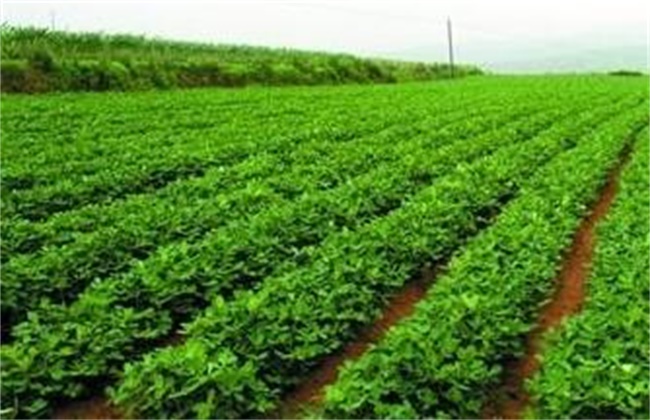
1. Seedling Stage Management
Due to seed quality, insufficient soil moisture, plus damage from pests and diseases and adverse weather such as low temperatures, young sprouts often die, resulting in gaps and missing plants. Therefore, 10-15 days after sowing, you should check for seedlings in time. If missing seedlings are found, reseed promptly to ensure a full stand. If the wet-film mulching sowing technique is used, after the peanuts emerge, you should promptly punch holes in the film to release the seedlings. When releasing seedlings, follow the principle of releasing green seedlings but not tender shoots, and release seedlings on fine days. After breaking the film, cover the soil to press the plastic film down firmly, otherwise the seedlings will be scorched.
2. Pest and Disease Control
May to June is the period when peanut aphids occur in patches. Preventive measures should be taken in advance. Per mu, use 6 g-10 g of 25% Actara, or 30 ml-60 ml of 44% Duochongqing emulsifiable concentrate added to 30 kg of water and spray. By June, per mu, use 2 kg of Sumeidichong mixed with 10 kg of fine soil and broadcast it along the ridges around the peanut roots to control white grubs and wireworms. By July, per mu, use 80 ml of Dacronin added to 30 kg of water and spray 1-2 times. This can effectively control leaf spot disease and rust disease.
3. Irrigation During Drought
If drought occurs during the pegging stage, pod-setting stage, and pod-filling stage of peanuts, timely drought-relief irrigation must be carried out. It is best to use sprinkler irrigation. The sprinkler irrigation time should be appropriately extended, and the amount of water sprayed should be appropriately larger. Keep an appropriate amount of water in the furrows so that moisture can seep from the furrows into the ridges. Strictly prevent large-scale flooding over the ridge surfaces. After watering, when the moisture is suitable, cultivate the furrows once to prevent soil compaction, ensure that the pegs enter the soil in time and the pods expand, and drain water promptly when there is standing water to avoid rotten pods.
4. Temperature Control and Prevention of Premature Aging
During the pegging and pod-setting stages of peanuts, because of high temperatures and frequent rain, plants are very prone to excessive vegetative growth. To control excessive growth, from the late pegging stage to the early pod-setting stage, per mu, use about 20 g of Zhuangbaoan, add 40 kg of water, and spray on the leaves 1-2 times. This can not only control excessive growth, but also control gibberellin biosynthesis in the plant, reduce cell division and elongation, inhibit vegetative growth, promote reproductive growth, and effectively improve yield and quality. In addition, pay attention to premature aging of black peanuts. You can spray urea and potassium dihydrogen phosphate solution 40 days before harvest to delay photosynthesis in stems and leaves, enhance root absorption capacity, and promote the accumulation of dry matter.
The above is an introduction to field management techniques for black peanuts. We hope it can help you. To learn more related knowledge, please stay tuned to us.