Detailed Explanation of Bletilla striata Seedling Raising Methods and Technical Points
Growing Bletilla striata is not simple, and its seedling raising is also quite particular. If some details are not paid attention to, planting may fail. The most frequent problems are mainly concentrated in the seedling raising period, and there are relatively few people who can do a good job of raising seedlings. Below, let us understand its seedling raising methods and see whether you can improve your own seedling raising level!
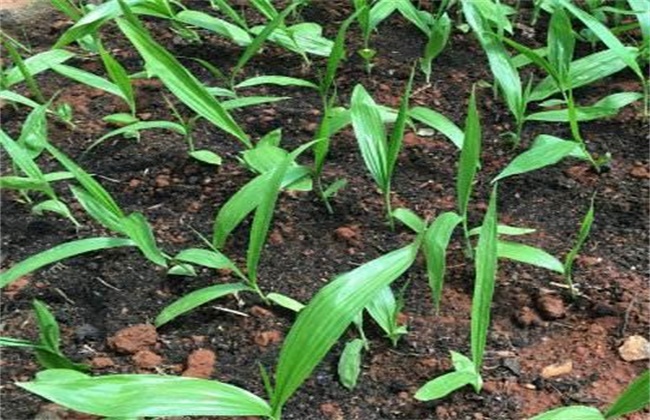
1. Soil preparation
Before raising seedlings, prepare the soil first. For Bletilla striata, this is an iron rule. If the soil is poor, half of the Bletilla striata seedling raising has already failed. The root system of Bletilla striata is not deep, and its demand for air permeability is relatively high, while good soil will smother Bletilla striata, so first adjust the permeability of the soil and create a good cultivation space for it. This permeability can be achieved by adding sand, or the soil can be washed once with water to appropriately reduce its stickiness. Before planting, use that fertilizer to nourish the soil, and then the soil is basically qualified.
2. Sowing
Before sowing, make sure the seeds have absorbed enough water, because after being planted into the soil, water is relatively less easy to absorb. Bury the seeds in the surface layer of the soil, without pressing or squeezing them, so they form a natural state, because watering will follow, and when the water infiltrates, it will press the soil a little tighter. The seeds must be completely covered by the soil layer, with no exposure, otherwise they are likely to die. When sowing, pay attention to the force; do not squeeze the seeds with your hands. If they are crushed, they cannot germinate.
3. Management
It is best to control the temperature of the seedling bed at around 20°C, as the seed activity is relatively higher at this temperature. After sowing, water frequently and do not let the soil dry out. If you are afraid of water accumulating, you can open a hole under the seedling bed to let the accumulated water flow out. If water flows out every time you irrigate, it means you have watered too much. At this time, the demand for light is not high, but a little exposure is acceptable. Never let light shine directly on the seedling bed, as this will cause a sharp increase in temperature and lead to seedling death.
4. Field planting
After seedling raising is completed, field planting can begin. When planting in the field, it is best to choose a time when the temperature is relatively stable for several consecutive days, and avoid sunny weather, otherwise under the exposure of the early sunlight, these seedlings are basically beyond saving. For each seedling, cover the soil only up to the roots; more is not good. Place a small amount of fertilizer at the bottom of the hole, because in the early stage it is difficult for Bletilla striata seedlings to obtain enough nutrients from the soil to satisfy their own growth. After field planting is completed, pay attention to inspecting whether any seedlings show abnormalities. If found, handle them promptly and replant seedlings.
The above are the seedling raising methods for Bletilla striata. As a medicinal material, Bletilla striata is relatively difficult to keep alive in the early stage, but it is still relatively easy to grow in the later stage. If the seedlings are cultivated well in the early stage and the foundation is laid well, things will be much easier later.