What causes root rot in yardlong beans? A detailed guide to prevention and control methods
Root rot in yardlong beans is a physiological disaster that occurs in many regions and brings relatively large economic losses to farmers, so root rot in yardlong beans must be prevented and controlled promptly. So how should farmers deal with root rot in yardlong beans? Follow the editor to learn about the relevant knowledge on root rot in yardlong beans, and we hope it helps you.
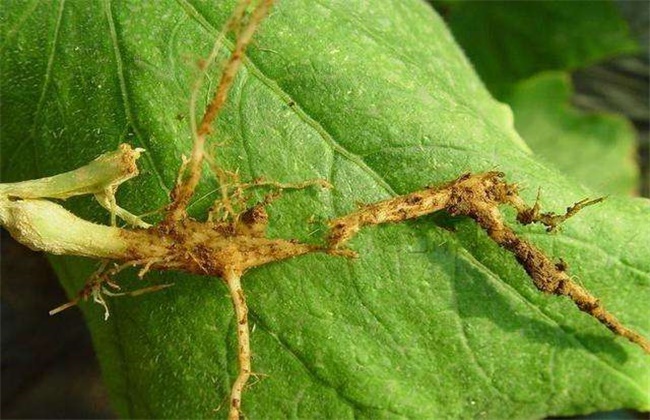
1. Symptoms
Root rot in yardlong beans mostly occurs in the early stage of seedling development, and almost all vegetable seedlings can be harmed by it, especially in early spring seedbeds where it occurs relatively severely, particularly when seedling-raising techniques are extensive and seedbed field conditions are poor. After root rot occurs, the seedlings will not produce new roots for a long time, have few or no adventitious roots, and the original roots will also turn yellow and brown and gradually rot. In the early stage of root rot, the seedling leaves become thin, wilt during the day after sunlight exposure, and the leaf margins scorch and wither; the plants gradually die, and diseased seedlings are very easy to pull out of the soil.
2. Causes
There are many causes of root rot in yardlong beans. First, the seedbed soil has low organic matter content, and root growth and development are relatively slow. In addition, when the soil is too wet, it causes root hypoxia and suffocation. At the same time, temperature is also extremely important. When the seedbed ground temperature is below 12°C for a long time, it even exceeds the root system's tolerance limit, causing the roots to gradually turn brown, rot, and eventually die. During continuous rainy and snowy weather, insufficient light and low temperature with scant sunlight will hinder the growth of roots and cause root rot. When applying decomposed organic fertilizer, if the seedbed soil and fertilizer are not mixed evenly and the fertilizer comes into direct contact with the roots, it causes seedling burn and then root rot.
3. Prevention and control methods
It is advisable to choose a plot with high terrain, good drainage, and shelter from the wind and facing the sun on the north side as the seedling-raising site. The seedbed should be given more organic fertilizer, combined with phosphorus and potassium fertilizer, to ensure sufficient soil organic matter and promote root growth. After the seedlings emerge, pay attention to weather changes and do a good job of ventilation and air exchange; dry fine soil or plant ash can be scattered to reduce seedbed humidity. Do a careful job of heat preservation; double-layer plastic film can be used to cover the seedbed, and straw curtains can also be added at night. When field conditions permit, methods such as heating wires, nutrient trays, and nutrient pots can be used to cultivate strong seedlings.
The above is an introduction to the causes of root rot in yardlong beans and the prevention and control methods. We hope it helps you. To learn more related knowledge, please keep following us.