Detailed Explanation of the Causes of Pointed-End Zucchini and Control Methods
Pointed-end zucchini is a common physiological disorder during the growth of zucchini. Once affected by this condition, it is very difficult for the zucchini to improve in later development. So what causes pointed-end zucchini? How should it be controlled? Follow along with the editor to learn more.
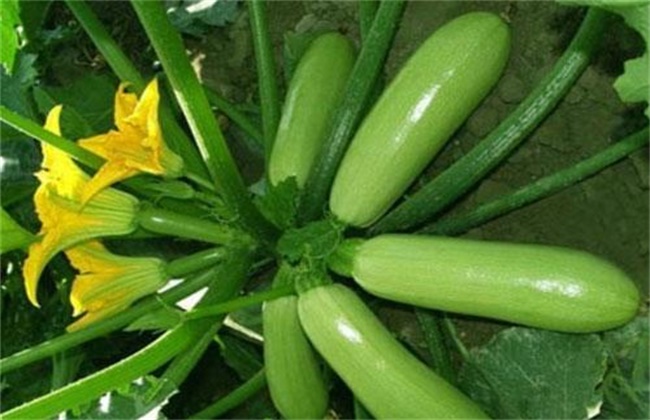
1. Too many fruits left on the plant
When the weather is clear and sunny, zucchini grows relatively late, so many vegetable growers follow the method of leaving one fruit per leaf, hoping to control plant growth through fruit set. As a result, too many fruits form, causing intense competition for nutrients, which leads to a large number of fruits becoming pointed-end zucchini due to insufficient nutrients.
Control method: When leaving fruits, it is recommended to retain an appropriate number of fruits according to the plant's growth vigor. For relatively vigorous plants, leaving 4-5 fruits per plant is sufficient. Never leave one fruit per leaf, as this will only cause insufficient nutrients due to excessive fruit set and result in pointed-end zucchini.
2. Unreasonable fertilizer and water management
Many vegetable growers use too little fertilizer, leading to insufficient nutrient supply for zucchini and thus an increase in pointed-end fruits. Generally, applying 30 kg of high-potassium fertilizer per mu by flushing is sufficient. In addition, during the fruiting period of zucchini, do not water heavily, and do not let the soil alternate between dry and wet, to avoid root damage after watering, which would affect the roots' absorption and utilization of fertilizer.
Control method: Strengthen fertilizer and water management, and appropriately increase chemical fertilizer application. Because zucchini is a high-yield crop, it is still developing new fruits while the fruits are swelling. Therefore, in addition to applying sufficient base fertilizer during cultivation, attention should also be paid to regular flushing fertilization to supplement nutrients.
3. Unsuitable temperature and humidity
Zucchini does not like high temperatures. Especially when leaf temperature is too high, respiration is enhanced, and most nutrients are consumed, resulting in insufficient nutrient supply to the fruits, causing pointed ends and slow growth of the fruits.
Control method: During the fruiting period of zucchini, the temperature difference between day and night should be large. During the day, it is best not to exceed 23°C, and the nighttime temperature should preferably be controlled at around 13°C. At the same time, pay attention to removing old leaves from the lower part of the plant to strengthen ventilation, expel moisture, and avoid pesticide damage, which could affect photosynthetic efficiency and lead to the production of pointed-end fruits.
4. Excessive vegetative growth of the plant
Excessive vegetative growth of zucchini plants causes vegetative growth to become too vigorous, thereby inhibiting reproductive growth. The conversion of nutrients to young fruits is affected, thus causing pointed-end zucchini.
Control method: Take good measures to control plant vigor. When the plant is growing too vigorously, spray growth regulators such as paclobutrazol.
The above is an introduction to the causes of pointed-end zucchini and control methods. We hope it helps you. If you want to learn more related knowledge, please stay tuned to us.