A Complete Guide to Pumpkin Growing Techniques: Easily Grow Great Pumpkins
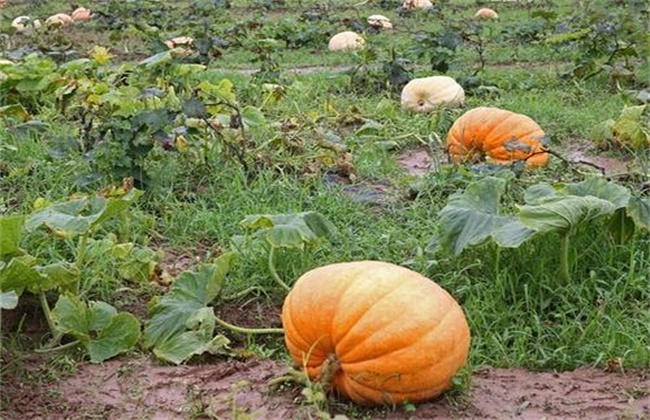
Pumpkins have very high nutritional value and contain a variety of rich nutrients, and they are basically grown in every part of our country. Although pumpkin growing is fairly common in our country, many people do not get very high yields when growing pumpkins, and the returns are not very good either. In fact, growing pumpkins does require certain techniques, so what exactly are they? Today, the editor has brought you the pumpkin growing techniques. Let's take a look below!
1. Planting Time
Pumpkin is a plant that likes to grow in a warm environment and is suited to short-day conditions. Pumpkin is fairly drought-tolerant, but it fears waterlogging, though it can adapt to most soils. If you want to grow pumpkins well, then the first tip is to control the planting time well. Usually, if planting in spring, pumpkins should be planted during the two solar terms Qingming and Guyu. That is, around April to May. If using a greenhouse or plastic film mulching, then the planting time can be appropriately moved earlier. Spring-sown varieties should mainly be early-maturing, cold-resistant and high-yielding ones.
2. Pinching to Prevent Excessive Vine Growth
When the pumpkin vines grow to more than two meters long, we should pay attention to doing the pinching work well. The growing point of the main vine should be removed to encourage the main vine to produce side vines and increase the flowering and fruiting rate of the pumpkin. Then we should also pay attention to preventing excessive vine growth, because if the vines grow excessively, the number of pumpkins set will decrease. So when fertilizing, the amount of nitrogen fertilizer applied should be controlled, and phosphorus and potassium fertilizer should be appropriately increased. We can cut a small opening about 30cm from the base of the pumpkin vine, then stuff a piece of charcoal inside, which can effectively prevent excessive vine growth.
3. Building Support Frames for the Pumpkins
Pumpkin is a climbing plant, so building good support frames is also very important. We should observe the growth of the vines every day, and when the pumpkin vines grow to about 3 meters, the pumpkin vines should be guided onto the frames in time. Because pumpkin fruits are very heavy. So the support frames must be sturdy and able to bear the weight of all the pumpkin fruits. Improving the airiness between the pumpkin vines can effectively reduce pests and diseases, and the yield can also increase. It can also prevent the pumpkin fruits from piling up on the ground and rotting.
4. Spraying on Top and Drenching Below
Pumpkin fruits are fairly large, so during the fruiting period, we should pay attention to doing the topdressing work well to improve the yield and quality of the pumpkins. When topdressing, foliar fertilizer should be sprayed on the upper part of the plant, while the roots below should be appropriately drenched with fertilizer. When the pumpkins are fruiting, we should spray foliar fertilizer about once every 10 days. When spraying, be careful to spray on the back of the leaves, and do not spray directly onto the pumpkins, to prevent the fruit from rotting and causing a decline in yield. It is best to spray in the morning and evening, because the temperature is higher at noon, which can easily cause the liquid to evaporate too quickly and reduce the effect of the fertilizer spray.
The above is a brief introduction to pumpkin growing techniques. That is all for today's introduction. This article is for reference only, and I hope it can help everyone!