Detailed Explanation of Key Techniques for Raising Luffa Seedlings in Early Spring
Luffa is a gourd vegetable with very high nutritional value, and its planting area in our country is very large. Luffa is usually planted in summer, because its cold resistance is relatively poor. But now planting techniques are becoming more and more mature, so luffa can also be raised as seedlings in early spring now. So how should luffa seedlings be raised in early spring? Today the editor brings you luffa early spring seedling raising techniques. Let's take a look together below!
1. Seed treatment
Before raising luffa seedlings in early spring, we first need to do a good job of seed treatment. First soak the seeds in warm water at about 50 degrees, and pay attention to stirring continuously during the soaking process. Then keep it for about a quarter of an hour, and when the water temperature drops to about 30 degrees, soak the seeds for another day. During the seed soaking period, change the water about twice, roughly once every 10 hours. After soaking the seeds, rub the seeds, wash them clean, and then take them out. Then wrap the seeds well with gauze and place them at a temperature of about 26-27 degrees for germination. During germination, wash them with warm water at about 30 degrees about twice every day, and when most of the seeds have sprouted white, they can be sown.
2. Soil treatment and sowing
First we need to prepare the soil. The soil can be prepared by mixing peat soil and field soil, and mixing in an appropriate amount of farmyard manure evenly. Then put it into seedling trays, and keep the specification of the seedling trays at about 10*10cm. When filling the soil, compact the soil in the lower part of the seedling tray, keep the upper soil loose, and leave about two centimeters of space. After filling the soil, put it directly into the seedbed, and add a small amount of soil around it. Before sowing, water thoroughly. After the soil preparation work is done, sowing can begin. Sow one seed in each seedling tray, then cover with soil about 1.5cm, and then cover with plastic film to improve heat preservation and moisture retention.
3. Seedling stage management
After sowing, the daytime temperature should be kept at about 25 degrees, and the soil temperature at 20 degrees. Generally, seedlings can emerge in no more than 5 days. After emergence, keep the daytime temperature at 20-25 degrees, and keep the day-night temperature difference at about 10 degrees. For early spring seedling raising, the seedlings are in an environment with short sunshine duration, weak light, and low temperature. Therefore, the amount of watering should be controlled well, following the principle of keeping the soil dry-wet alternating. If watering too much, then in a low-temperature environment, it is very easy to cause root rot. After the seedlings emerge, although the demand for light in the early stage is not great, light should still be appropriately increased as the seedlings grow. Then one week before transplanting, carry out hardening off. During hardening off, do not water, gradually lower the temperature, and increase ventilation.
4. Timely transplanting
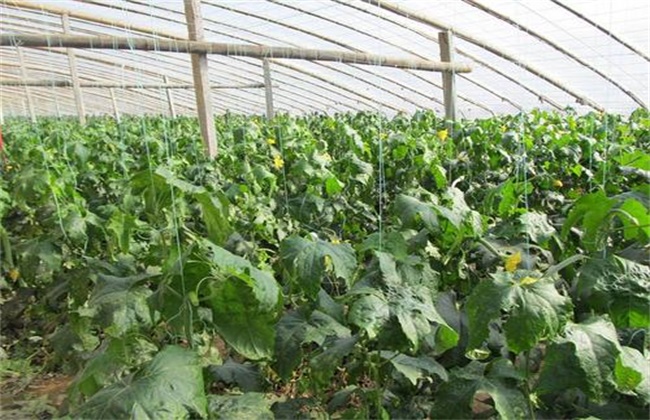
Three weeks before transplanting the seedlings, do a good job of covering the shed to promote the soil in the shed to thaw as soon as possible. After the soil thaws, apply sufficient decomposed farmyard manure, together with an appropriate amount of fertilizers such as diammonium phosphate. Then plow the soil deeply, then prepare the land and raise ridges, keeping the ridge spacing at about 60cm. When the average daily temperature in the greenhouse is not lower than 10 degrees and the soil temperature within 10cm is not lower than 12 degrees, transplanting can begin. Then when the luffa seedlings have about 4 true leaves, select robustly growing seedlings and carry out transplanting on a sunny morning, keeping the plant spacing at about 35cm, and pour in sufficient bottom water.
The above is a brief introduction to luffa early spring seedling raising techniques. That is all for today's introduction. This article is for reference only, and I hope it can help everyone!