How to manage loofah after transplanting? Key technical points explained
Loofah has high nutritional value and a very good taste, and the market demand for it in our country is very large. So now many people are also growing loofah, and when growing loofah, the seedling raising and transplanting work is very important. In particular, whether the management after transplanting loofah is good or bad will directly affect the growth ability of loofah. So how should loofah be managed after transplanting? Today the editor brings you the management of loofah after transplanting. Let us take a look below!
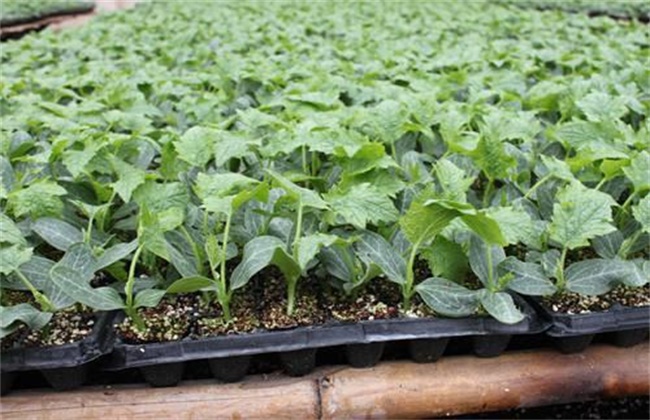
1. Temperature management
After loofah is transplanted, the first management task we should do well is temperature management. From transplanting until the seedling revival period, the daytime temperature should be controlled between 30-35 degrees, and the temperature difference between night and day should be kept at about 10 degrees. Then after the seedlings successfully revive, both the daytime and nighttime temperatures should be appropriately lowered by about 5 degrees. Remember that the temperature must not be too high. If the temperature exceeds 35 degrees, then ventilation and cooling should be carried out in time. Similarly, if the temperature is too low and below 15 degrees, then ventilation work should be reduced, and the greenhouse film should remain covered until after loofah harvest.
2. Fertilizer and water management
Loofah requires soil with sufficient water content. Throughout the entire growth period of loofah, a moist soil environment must be maintained. In the early stage of loofah growth, after seedling revival, a seedling revival watering should be given. Then during the flowering and fruiting period, water about once every seven days. After entering the peak harvest period, water about once every 3 days. Watering should not be done on rainy days, and watering should be kept even; do not use flood irrigation. Then, under the condition of applying sufficient base fertilizer, we should also do a good job of topdressing. After seedling revival, apply topdressing once along with water, mainly compound fertilizer. During the flowering and fruiting period, apply topdressing once a week. During the harvest period, apply topdressing about once every two harvests. During the flowering and fruiting period, fertilizer must not be lacking, otherwise deformed fruits are likely to appear, leading to a decline in quality.
3. Plant adjustment
The plant adjustment work of loofah after transplanting is also very important. When loofah has grown to about 40 cm long, hang strings in time, do a good job of guiding the vines onto the trellis, and tie the vines well to prevent them from falling off. Before going onto the trellis, all side vines of the plant should be removed. And after going onto the trellis, if the vines grow too densely, then select and keep some thick and strong side vines and remove all the rest. During the growth process of loofah, we should promptly remove various tendrils, deformed fruits, and so on. In the middle and late stages, remove the old and yellow leaves on the lower part of the plant to improve the plant's ventilation and light penetration and reduce the incidence of pests and diseases.
4. Artificial pollination
In the early stage after loofah transplanting, if the temperature is relatively low and the light intensity is weak, then it will have a very large impact on the fruit-setting rate of loofah. So after transplanting loofah, if we encounter this kind of environment, we should pay attention to doing a good job of artificial pollination. Bees can also be released in the greenhouse to use bees for pollination. In this way, the fruit-setting rate and yield of loofah can be effectively improved.
The above is a brief introduction to the management of loofah after transplanting. That is all for today's introduction. This article is for reference only, and I hope it can be helpful to everyone!