Detailed Explanation of Key Points of Pumpkin Fertilizer and Water Management Techniques
Pumpkin is a very common vine vegetable in our daily lives, and its planting area in our country is also very large. When we grow pumpkins, if we want to ensure the yield and quality of pumpkins, then its fertilizer and water management is very important. Doing a good job in fertilizer and water management is a key measure to meet the nutritional and water needs of pumpkins. So how should pumpkin fertilizer and water management be done? Below, the editor brings you the key points of pumpkin fertilizer and water management. Let's take a look!
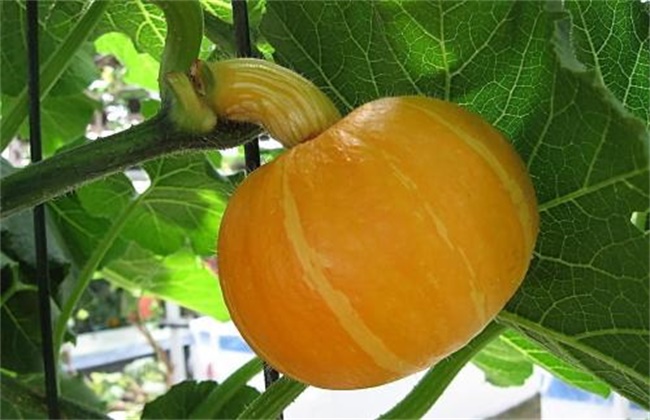
I. Watering Management
The root system of pumpkin is well developed, and its water absorption capacity and drought tolerance are both relatively strong. However, pumpkin leaves are also relatively thick and fleshy, and there are also very many of them, so their transpiration is also very vigorous. Therefore, we must pay attention to doing a good job in irrigation and watering to ensure the yield of pumpkins. After pumpkins are planted, generally about seven days later, they should be watered once with seedling recovery water to promote the growth of branches and leaves. Then after the pumpkins set fruit, they should be watered once with fruit swelling water. Then in the later period, watering should be done well according to climate changes, actual soil conditions, and so on, to promote the growth of pumpkins. After the fruit grows larger, the amount of watering should be appropriately reduced to improve the dry matter accumulation and quality of the pumpkin fruit.
II. Fertilization Management
1. Fertilizer Requirement Characteristics
When we fertilize pumpkins, we should do so according to the fertilizer requirement characteristics of pumpkins. Pumpkins have different nutritional needs at different growth stages. For example, at the seedling stage, the growth amount of pumpkins is not large, so the fertilizer requirement is also not high. However, during the fruit expansion stage, the absorption of nitrogen and potassium by pumpkins will increase greatly. Throughout the entire growth period of pumpkins, the nutritional demand is greatest for nitrogen and potassium, followed by calcium, and the absorption of magnesium and phosphorus is the least.
2. Base Fertilizer
The base fertilizer for pumpkins is generally mainly organic fertilizer, combined with an appropriate amount of compound fertilizer. Among them, common compost and green manure, etc., are used in very large amounts, generally accounting for about half of all fertilization. The application rate per mu should be maintained at about 3500kg, and then an appropriate amount of phosphorus and potassium fertilizer should also be mixed in, fully mixed with the organic fertilizer and applied into the soil. The application methods of base fertilizer generally include broadcasting and concentrated application. If broadcasting is used, then it should be carried out in combination with deep plowing. If there is less fertilizer, then furrows should be opened for concentrated application.
3. Topdressing
The topdressing fertilizer for pumpkins is mainly quick-acting nitrogen fertilizer, while also being combined with an appropriate amount of phosphorus and potassium fertilizer. When topdressing, topdressing should be carried out in batches according to the needs of pumpkins at different growth stages for nitrogen, phosphorus, and potassium fertilizers. At the seedling stage, nitrogen fertilizer should be applied as topdressing, with about 6-7 jin of urea applied per mu. At the fruiting stage, we should not only apply sufficient nitrogen fertilizer, but also timely supplement phosphorus and potassium fertilizer to ensure normal fruit expansion. After fruit setting, topdressing should also be carried out about two times. When topdressing, attention should be paid to the position, and it must not directly touch the plant, so as to avoid burning and causing fertilizer damage to the plant.
The above is a brief introduction to the key points of pumpkin fertilizer and water management. That is all for today's introduction. This article is for reference only, and I hope it can help everyone!