Detailed Explanation of Sweet Pepper Seedling Raising Methods and Technical Points
Sweet peppers are grown in all parts of China and are a vegetable belonging to the Capsicum genus. The nutritional value of sweet peppers is very high, and when growing sweet peppers, the seedling raising work is very important. Reasonable seedling raising work is the key to ensuring the normal growth of sweet peppers, and it is also an important measure to ensure the quality and yield of sweet peppers. So how should sweet peppers be raised as seedlings? Today, the editor brings you the sweet pepper seedling raising methods. Let's take a look below!
1. Seed soaking and germination
Before sowing sweet peppers, we first need to soak the seeds in warm water at about 55 degrees for seed soaking and germination. When soaking the seeds, be careful to stir the seeds continuously. Ensure that within ten minutes, the water temperature can drop to about 30 degrees. Then remove the seeds, soak them in potassium permanganate solution for 10 minutes, then rinse them clean with water and soak for about 5 hours. Then wrap them with gauze and place them at a temperature of about 25 degrees for germination. After about 5 days, once the seeds gradually show white sprouts, they can be sown. The seeds can also be soaked in trisodium phosphate solution for a quarter of an hour, which can play a role in eliminating viruses.
2. Nutrient soil preparation
When raising sweet pepper seedlings, we should also pay attention to doing a good job in preparing the nutrient soil. The quality of the nutrient soil is the key to ensuring the normal germination and emergence of sweet pepper seeds. Usually, field soil without pathogenic bacteria or insect eggs and fully decomposed farmyard manure can be used to prepare a mixed soil. Then apply an appropriate amount of superphosphate, carbendazim, trichlorfon and other chemicals into it for disinfection, and stir it thoroughly and evenly. Then cover it with film and let it sit for about half a month, then put it into seedling trays, pour in enough bottom water, and prepare for sowing.
3. Sowing and seedling raising
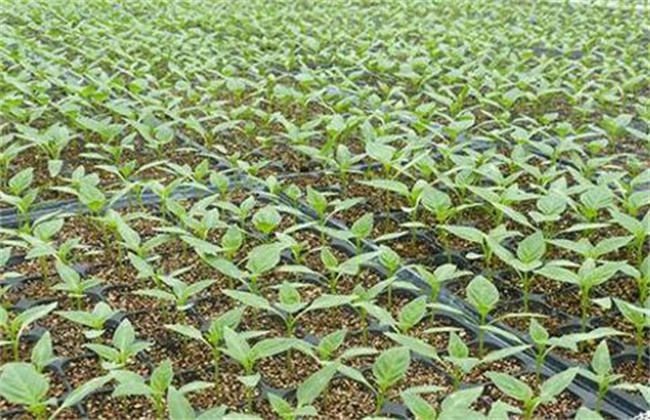
After completing the seed germination work and preparing the nutrient soil, we are ready to sow. Sow the germinated seeds directly into seedling trays or beds. After sowing, cover with fine soil about 1 cm thick, then cover with plastic film to improve the soil's heat and moisture retention capacity. When about 75% of the seeds have broken through the soil and emerged, remove the plastic film. When the seedlings grow about three true leaves, the seedling separation work can begin. Place the seedlings separately into nutrient pots with a specification of 8*10 cm, with one seedling per nutrient pot.
4. Temperature and humidity management
Before the seedlings emerge, the soil temperature should be controlled at about 20 degrees, while the daytime temperature should be maintained at about 30 degrees and at night at 20 degrees. Then, after the seedlings emerge uniformly and the cotyledons gradually unfold, the temperature should be appropriately lowered to avoid leggy growth of the seedlings. Three days before seedling separation, do a good job in ventilation and maintain a suitable temperature. We can also carry out low-temperature hardening of the seedlings to ensure that the seedlings can recover normally after seedling separation. And before seedling separation, the humidity can be dry but not too wet. After seedling separation, new leaves will begin to grow. At this time, the water in the bed soil evaporates quickly and the soil will be relatively dry, so appropriate watering is also needed.
The above is a brief introduction to sweet pepper seedling raising methods. That is all for today's introduction. This article is for reference only, and I hope it can help everyone!