How to Make Cucumbers Bear Fruit Continuously? Practical Growing Tips Shared
Cucumber is a very common vegetable in China, and it is grown across fairly large areas in both the north and south of the country. It is also a vegetable capable of bearing fruit continuously, but many people find it hard to keep cucumbers fruiting continuously over the long term because their growing techniques are not yet mature. So how can we make cucumbers bear fruit continuously when growing them? Today, the editor brings you growing tips for continuous cucumber fruiting. Let's take a look below!
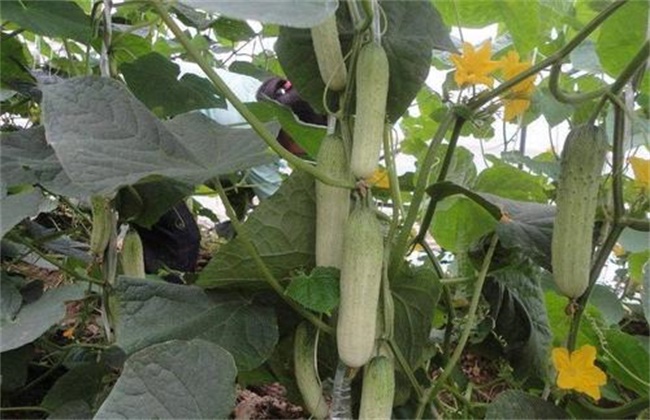
1. Plant adjustment
When growing cucumbers, if you want continuous fruiting and high yields, you must ensure the vigor of the vines. Strong, vigorous vines are the key to ensuring normal cucumber fruiting. That is, before the cucumbers set fruit, you need to cultivate strong plants. As the cucumbers grow and gradually enter the fruiting stage, you need to adjust the plants properly. Make sure the cucumber plant has around 16 functional leaves. If there are too few functional leaves, the plant accumulates less photosynthetic material, and therefore cannot supply enough nutrients for the cucumbers to grow.
2. Lowering the vines at the right time
Lowering the vines is also an important measure for ensuring continuous cucumber fruiting, and it is also an indispensable management task when growing cucumbers. When lowering the vines, the length lowered should not exceed 20cm, to avoid too few leaves caused by lowering the vines too far, which would affect the growth of the cucumbers at the base of the plant. When lowering the vines, we should also pay attention to removing the old leaves, diseased leaves and tendrils of the cucumber. This prevents these leaves from competing for the nutrients needed for the fruit to grow. Professional survey data shows that generally about two tendrils will consume the nutrients needed for one cucumber to grow.
3. Fertilizer and water management
During cucumber growth, fertilizer application is very important. Fertilizer should be mainly organic fertilizer, ensuring the organic fertilizer is fully decomposed, and using less chemical fertilizer. When fertilizing, usually an appropriate amount of compound fertilizer can also be applied with each watering. Then when watering, pay attention to observing weather changes. And fertilizer and water management should be linked to the growth condition of the plants. For example, during cucumber growth, if you see the cucumber tendrils curling, this means the cucumber is short of water and needs to be watered in time. Then in the later stage of growth, an appropriate amount of foliar fertilizer should also be applied. This supplements the leaves with nutrients for growth, strengthens the plant's resistance, and prevents premature aging of the cucumbers.
4. Disease control
Disease control is also very important. In recent years, downy mildew, gummy stem blight and angular leaf spot have been the most serious diseases affecting cucumbers. These diseases all harm cucumber leaves, causing the function of the cucumber leaves to decline. Therefore, everyone must pay attention to doing a good job of disease control. Commonly used agents include Previcur and Kasugamycin-plus-Triophanate-Methyl, among others. However, prevention should still be the main approach: manage well, control the amount of fertilizer and water, ensure normal cucumber growth, and improve the fruiting rate and the duration of continuous fruiting.
The above is a brief introduction to growing tips for continuous cucumber fruiting. That is all for today's introduction. This article is for reference only, and we hope it can help you!