Why Do Onions Rot at the Neck? Causes and Control Methods Explained
Onion neck rot is fairly common in onion-growing areas and has caused serious economic losses for farmers, so growers need to strengthen their understanding of this disease and take good preventive measures. So how should onion neck rot be controlled? Follow along with the editor to learn more.
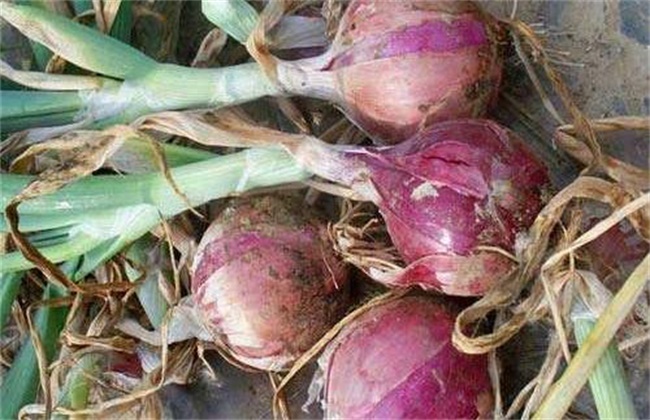
1. Poor disease resistance of varieties
Disease resistance differs markedly among onion varieties. If a variety with weak disease resistance is chosen, neck rot is very likely to occur. Therefore, in production, varieties with strong disease resistance should be selected, such as Kamuy, Sorachi Yellow, Fuxing, Dongke Apple Onion, Perfect, and Daqing Yellow Skin.
2. Unbalanced nutrition
In the early growth stage, onions have a peak demand for nitrogen. If nitrogen is deficient, the vegetative body will be small, bulb maturity will be low, and yield will decline. If too much nitrogen fertilizer is applied, the onion tissues will become soft, increasing the chance of pathogen invasion. After entering the bulb expansion stage, excessive nitrogen application alone will cause calcium deficiency, hindering the growth and development of the root system and growing points. This affects bulb expansion and quality and triggers neck rot. Therefore, when cultivating onions, fully decomposed organic fertilizer should be applied, with a reasonable balance of nitrogen, phosphorus, and potassium; nitrogen fertilizer should not be applied alone. At the same time, the intake of trace elements such as calcium, magnesium, sulfur, copper, and boron should also be considered.
3. Rainwater entering through the leaf sheaths
This is also one of the main causes of onion neck rot. In the late stage of bulb expansion, the 1st to 2nd leaves have already withered and yellowed, and the tips of the 3rd to 4th leaves turn yellow. At this time, because no new leaves fill the leaf sheaths inside the bulb, a hollow forms, so the leaf sheaths no longer wrap tightly. During consecutive rainy days or sprinkler irrigation, water flows along the leaves into the bulb, and the bulb is highly susceptible to infection by spoilage bacteria and rots. Therefore, after the bulb expands, when field plants begin to lodge, all upright plants should be pressed down to prevent rainwater from flowing into the bulb. At the same time, harvest should be done promptly to prevent rain damage and rot.
4. Wound infection
During field management, harvest, drying, and transport and storage of onions, the bulbs are highly prone to mechanical damage and wounds. At the same time, larvae in the onion field that bore into and feed on the bulbs underground can also cause wounds, leading to rot. Therefore, mechanical damage should be minimized as much as possible. Before planting, 50% phoxim emulsifiable concentrate diluted 800 times can be used as a root drench, or 50% phoxim emulsifiable concentrate diluted 1000 times can be used to control underground pests.
The above is an introduction to the causes of onion neck rot and control methods. We hope it helps you. To learn more related knowledge, please stay tuned to us.