How to carry out field management of sweet peppers before harvest
The sweet pepper is an annual to perennial herbaceous plant of the genus Capsicum in the nightshade family. The nutritional value of sweet peppers is very high, as they are rich in nutrients such as vitamin C, and they are welcomed by many people. Therefore, there are still a great many people growing sweet peppers today, and when growing sweet peppers, we need to adjust our management methods according to the growth stage. So how should we manage sweet peppers before the fruits are harvested? Today the editor will give you a brief introduction, so let's take a look together below!
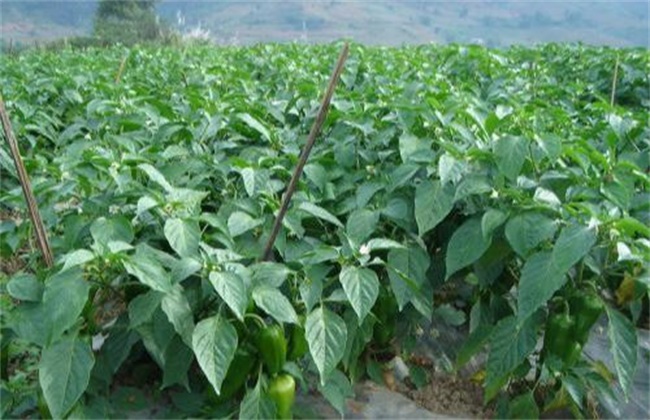
1. Reasonable pruning
After the sweet pepper has finished setting its first round of fruit and these have been harvested, we should pay attention to doing a good job of pruning and thinning branches. This is because after the first round of sweet pepper fruits is harvested, some of the fruiting side branches and auxiliary nurturing branches on the plant grow faster, which easily leads to a closed, stuffy field. This not only consumes a large amount of nutrients but also easily gives rise to various diseases. Therefore, we should promptly thin out these excess side branches. Keep the side branches on the outer part of the plant, remove the inner-canopy branches, and adjust the plant structure of the sweet pepper. Overall, keeping about 4 fruiting branches per sweet pepper plant is enough to ensure that nutrients are concentrated on the main branches and to improve the fruiting rate.
2. Water and fertilizer management
During the growth of the first round of sweet peppers, the plant's demand for nutrients is very great, and it also consumes a large amount of nutrients. Then, before the first round of sweet pepper fruits is harvested, we should do a good job of water and fertilizer management, watering and fertilizing in time to supplement the plant with sufficient nutrients for fruiting. However, if the ground temperature is relatively low during the fruiting period, then because the root capacity of the sweet pepper plant is relatively poor, when watering, do not flood-irrigate, otherwise it may cause the water to wash out the roots and affect the growth of the sweet pepper. When fertilizing, we can apply an appropriate amount of water-soluble fertilizer along with the water, which can meet the plant's water and fertilizer needs.
3. Pest and disease control
Pest and disease control is also very important, especially in weather with lower temperatures and more rain. If the environment is one of low temperature and high humidity, then diseases such as gray mold and phytophthora blight are extremely likely to occur. Therefore, the work of pest and disease control must be done well, with pest and disease control mainly based on prevention. Strengthen planting management and combine it with medication for control. Control the amount of fertilizer and water well to avoid waterlogging and fertilizer damage that trigger pests and diseases. Then also frequently observe the growth of the sweet peppers. If any abnormal situation is found, then promptly investigate the cause and apply the appropriate medication to avoid the spread of the disease and its impact on the growth of the sweet peppers.
The above is a brief introduction to how to manage sweet peppers before harvest. The management work before harvesting sweet peppers is very important. If poor management causes various problems in the sweet pepper plants, then it is very unfavorable to the growth of the sweet peppers. Therefore, everyone must pay close attention to avoid affecting yield and quality. That is all for today's introduction. This article is for reference only, and I hope it can help everyone!