What are the precautions for harvesting greenhouse chives in early spring?
Using greenhouse cultivation techniques in early spring can yield good returns, but excessive production can easily lead to weakened chive growth and reduced quality. This is because the nutritional condition of the chive rhizome is the foundation for its growth and sustained high yield, so reasonable harvesting can improve the nutritional condition of the rhizome and ensure excellent chive quality and stable yield. So what should be noted when harvesting chives? Let's take a look together with the editor.
1. Timing should be appropriate
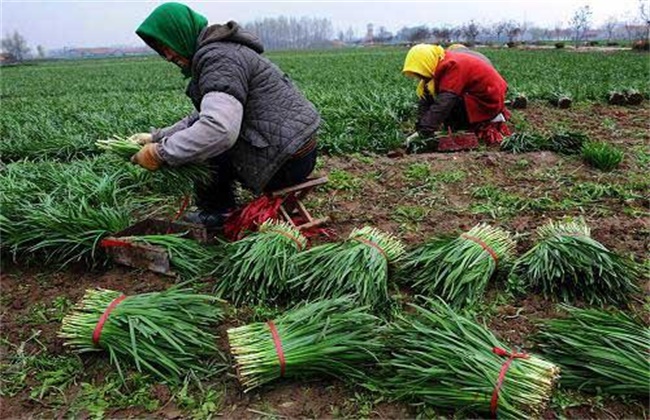
The harvesting interval for greenhouse chives in early spring is generally 30-40 days, at which point most chives are about 30-40 cm tall, the content of various nutrients in the plant is relatively high, and both chive quality and yield are relatively good. If harvested too early, plant height and nutrient accumulation are insufficient, yield is lower, and flavor is weak; but if harvested too late, plants are very prone to lodging, old leaves easily turn yellow, the risk of disease infection increases, and the taste of chives gradually declines. When harvesting, choose a sharp, clean sickle, and choose a sunny morning or evening, with harvesting after dehumidifying the greenhouse in the morning being best. Do not harvest on days with low temperature and little sunlight, because at such times the greenhouse is often low-temperature and high-humidity, and after harvesting the chives grow slowly, their growth is weak, and they are also very prone to disease infection.
2. Stubble height should be moderate
Stubble height refers to the distance between the harvest position and the upper end of the chive bulb. The stubble height should be moderate, neither too high nor too low, with 3-4 cm being most ideal. Judging from the color of the cut, a light yellow cross-section is appropriate; if the color is greenish, the stubble is too high, and if it is whitish, the stubble is too low. If the chive stubble is too high, it will affect the yield and quality of the current crop; if the stubble is too low, it can easily damage the meristem at the base of the leaf sheath, and will also affect the harvest time and yield of the next crop, causing a decline in yield for the whole year, and may also cause premature aging of the plants and reduced disease resistance.
3. Harvesting frequency should be appropriate
The harvesting frequency of greenhouse chives should be determined according to the plant growth, fertilizer and water conditions, pest and disease occurrence, and market demand. For the entire winter and spring, three times is appropriate, and no more than four times at most, as this helps enhance the stress resistance of the plants. Within one week before harvesting, watering and fertilizing should be avoided, and ventilation and dehumidification should be strengthened. After harvesting, insulation should be strengthened, and watering and fertilizing should not be done before new leaves grow to 4-5 cm. This can excellently avoid the occurrence of chive gray mold, help chives grow healthily, and promote high and stable yield.
The above is an introduction to the precautions for harvesting greenhouse chives in early spring. We hope it can help you. To learn more related knowledge, please keep following us.