What to Do About Poor Growth of Early Spring Peppers? Causes and Mitigation Measures
In rural areas, basically every household grows peppers, and right now is the pepper sowing period, but after sowing it has been found that pepper seedlings show poor growth. The strength of pepper seedlings directly affects the later yield, so what causes poor growth of pepper seedlings? Let's learn about it together.
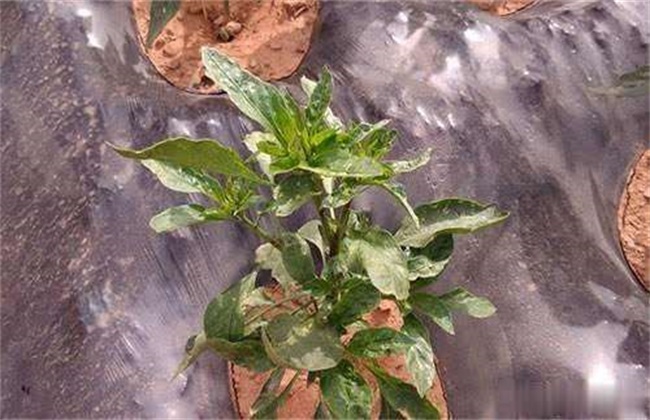
I. Causes of Poor Growth in Early Spring Peppers
1. Soil compaction
After pepper seedlings are planted out, they only grow 2-3 secondary roots, and the reason is soil compaction, which causes poor root growth. When the soil organic matter content in protected cultivation is too low, soil compaction worsens, especially in sandy loam soil, where soil permeability is poor, often causing poor growth of pepper seedlings. The effective solution is to apply more organic fertilizer, increase the organic matter content, improve the soil aggregate structure and permeability, and enhance the soil's water and fertilizer retention capacity.
2. Fertilizer damage
Using too much fertilizer during production can also cause seedling burn, and this phenomenon generally causes root rot; if not handled in time, it may burn a large number of roots. Once fertilizer damage occurs, you should immediately hoe and water, diluting the fertilizer concentration through watering.
3. Pesticide damage
There are mainly three ways pesticide damage to peppers occurs. First, after soil pesticide treatment, the plough layer is not fully ventilated and aerated, leaving more pesticide residues in the soil, which seriously affects seedling growth. Second, when planting out, excessive pesticide is used in the planting holes; using pesticides to control diseases at planting time can effectively control diseases during the pepper seedling stage, but once the pesticide is used in excess, pesticide damage occurs. Third, when dipping roots before planting out, the pesticide concentration is too high, causing seedling burn; at planting time, Actara, Previcur, foliar fertilizer, etc. are used to dip the seedling roots, and after planting out they control whiteflies, aphids, etc., while also promoting rapid seedling growth. But once the pesticide concentration exceeds 600 times, seedling burn is very likely to occur, thus causing poor seedling growth.
II. Mitigation Measures
You should seize fine weather to transplant seedlings when soil moisture is suitable; the sunnier the day of transplanting, the more it helps the roots and soil to fit together, shortening the seedling recovery period and quickly restoring growth. When transplanting, besides watering enough to settle the roots, no further watering is suitable from seedling recovery until before flowering; during continuous drought, only light watering is needed, and when the young fruits grow to about 3 cm, irrigation can be given in case of drought, but never flood irrigation. Peppers like fertilizer but fear it, and are relatively sensitive to fertilizer, so fertilization should combine organic fertilizer and inorganic fertilizer, and organic fertilizer must be composted and thoroughly decomposed. Nitrogen fertilizer should be applied at the seedling stage, but nitrogen fertilizer must not be applied in excess, and it should also be paired with phosphorus and potassium fertilizers and trace elements to prevent deficiency symptoms.
The above is an introduction to the causes of poor growth in early spring peppers and mitigation measures. We hope it helps you. To learn more related knowledge, please follow us.