Detailed explanation of the key technical points for sweet pepper planting and management
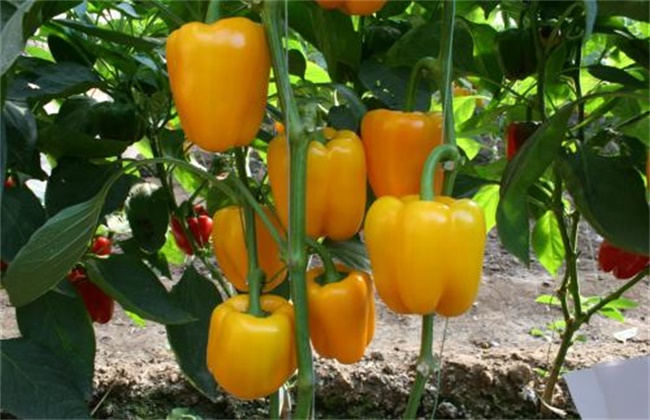
The sweet pepper is actually a variety of chili pepper, but compared with chili peppers, sweet peppers are basically not spicy and instead have a slightly sweet taste, which is why they are liked by many people. At present, the planting area of sweet peppers in China is still very large, and when we grow sweet peppers, their management work is very important. So how should sweet peppers be managed during planting? Today, the editor brings you the planting and management techniques for sweet peppers. Let's take a look below!
1. Do not blindly apply flower-setting agents
When growing sweet peppers, if there is continuous cloudy weather, then the fruit-setting ability of sweet peppers is very poor. Therefore, many people become very anxious when they see that the sweet peppers are not setting fruit, and then carelessly use flower-setting agents to set fruit. Although some sweet pepper plants can indeed set fruit, the fruit produced is small and hard. Moreover, the growth rate is still very slow, and some may even become stiff fruit. Therefore, growers can only remove these deformed fruits. The sweet pepper is actually a self-pollinating vegetable, and as long as a suitable environment is ensured, it can set fruit normally.
During the flowering and fruiting period of sweet peppers, the temperature should be controlled at about 25 degrees, and the day-night temperature difference should be maintained at 10 degrees. The nighttime temperature should not be too high, because if the nighttime temperature is too high, the fruit-setting rate will decrease as a result. Therefore, attention should be paid to doing a good job of shading, proper ventilation, and avoiding excessively high temperatures. If necessary, an appropriate amount of growth retardant can be sprayed to prevent excessive vegetative growth in sweet peppers and increase the number of flowers and fruits on the sweet pepper plants. In addition, on cloudy days, the method of shaking the plants can be used to promote fruit setting, but flower-setting agents must not be applied, otherwise the plants are prone to hormone poisoning, and the fruit quality will also decline as a result.
2. Watering management
The distribution of sweet pepper roots is relatively shallow, and the root system is not very developed. Usually most of the roots are concentrated in the soil at about 12 cm, and the tolerance to drought and waterlogging is relatively poor. Therefore, attention must be paid to controlling the amount of watering, not only to meet the water demand of sweet peppers, but also to prevent root rot caused by too much water. However, during the fruiting period of sweet peppers, water must not be lacking, as it will not only affect fruiting, but also easily lead to diseases such as blossom-end rot. However, flood irrigation must not be used either, otherwise it can easily cause sweet peppers to wilt and even lead to plant death. Therefore, when watering, the amount of watering should be controlled according to the degree of soil dryness and wetness, and flood irrigation must not be used.
3. Potassium fertilizer application
During the growth period, sweet peppers have a very large demand for fertilizer. Among the basic elements such as nitrogen, phosphorus, and potassium, potassium is needed the most, followed by nitrogen, and finally phosphorus. Throughout the entire growth period, if sweet peppers lack potassium fertilizer, then sweet peppers are very prone to lodging. The fruit will also become very small, and the yield will decline. Therefore, after sweet peppers set fruit, when the fruit grows to about the size of a ping-pong ball, an appropriate amount of high-potassium fertilizer should be applied in a timely manner to meet the potassium fertilizer demand for sweet pepper growth, control the dosage well, ensure the yield of sweet peppers, and promote normal growth.
The above is a brief introduction to sweet pepper planting and management techniques. That is all for today's introduction. This article is for reference only, and I hope it can help everyone!