What causes the death of young oyster mushroom fruitlets? What are the prevention and control methods?
In oyster mushroom production, due to unsuitable cultivation environment and substrate, as well as improper management or the impact of disastrous weather, mushroom beds often experience young mushrooms shrinking, turning yellow, and finally withering away, and sometimes young fruitlets die in batches, seriously affecting yield and quality. So what are the causes of young oyster mushroom fruitlet death? Let's take a look together.
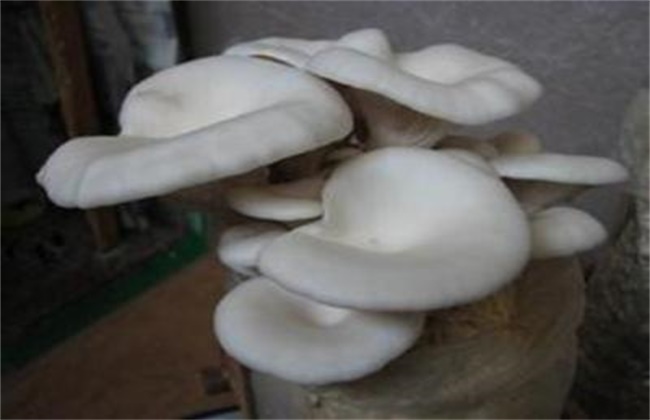
1. Excessive temperature
After the primordia of oyster mushrooms have formed, if they encounter sustained high temperatures above 30°C, their caps will gradually wither, ultimately causing young fruitlets to die in large numbers and seriously affecting yield. For this situation, the temperature of the mushroom shed should be reasonably controlled. When the temperature is too high during the fruiting period, spraying well water can be used to lower the temperature of the mushroom shed. If cultivating outdoors, the mushroom shed can be covered with thick straw curtains or rice straw for shade to avoid sunlight exposure. At the same time, attention should be paid to frequent ventilation and air exchange to lower the temperature inside the mushroom shed as much as possible.
2. Lack of moisture
After the young buds of oyster mushrooms have formed, if the relative air humidity in the mushroom room or mushroom shed is below 80%, the young fruitlets will wither and die due to lack of water. This is because oyster mushrooms have relatively high air humidity requirements during the fruiting period. Therefore, after budding, water should be sprayed inside the mushroom shed 4-5 times a day to maintain the air humidity at around 90%, so that the young fruitlets can develop well. However, when spraying water, attention should also be paid to making it as light, even, and fine as possible. If the amount of water sprayed is relatively large, it can also cause the young fruitlets to rot and die, so special attention must be paid.
3. Excessive water spraying
During the fruiting body expansion stage of oyster mushrooms, relatively high air humidity also needs to be maintained. If too much water is sprayed, the fruiting bodies will expand rapidly, making edema very likely to occur and eventually turn yellow and rot, making them highly susceptible to infection by pathogens and death. Therefore, when spraying water in the mushroom shed or mushroom room, the water should be evenly sprayed on the ground and the surrounding walls, not directly on the fruiting bodies. At the same time, the correct amount of water should be mastered, and it should not be sprayed too much.
4. Poor ventilation
In addition to temperature and humidity, ventilation is also one of the important factors affecting the growth and development of young fruitlets. When the indoor carbon dioxide concentration exceeds 0.5%, young fruitlets are very likely to form "big-foot mushrooms" with fist-like shapes or thick stalks and small caps. Therefore, attention should usually be paid to ventilation and air exchange to ensure fresh indoor air, especially in high-temperature seasons, so as to avoid the formation of large numbers of deformed mushrooms.
The above is an introduction to the causes of young oyster mushroom fruitlet death and prevention and control methods. We hope it can help you. To learn more related knowledge, please stay tuned to us.