What should be noted when intercropping tomatoes?
Tomatoes are very common in our daily life. Tomatoes taste sweet and sour and are rich in nutritional value, so they are welcomed by many people. When growing tomatoes, in order to improve seed returns, many people choose to intercrop them with other vegetables. And tomatoes are indeed a vegetable suitable for intercropping. So what should we pay attention to when intercropping tomatoes? Below, the editor brings you the points to note when intercropping tomatoes. Let's take a look!
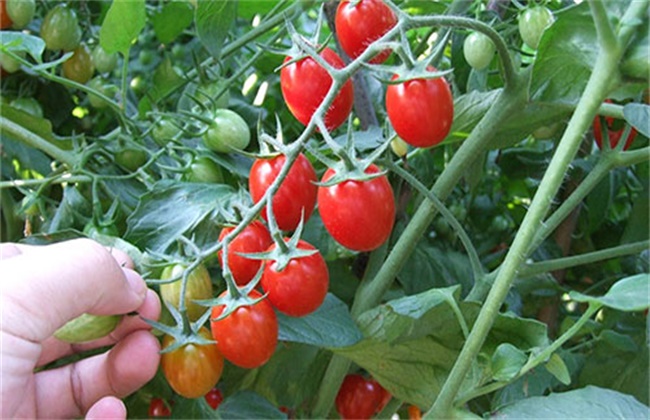
1. Intercropping time
When intercropping tomatoes, the first thing we should pay attention to is the intercropping time of tomatoes. The intercropping time must not be too early, because the previous crop of tomatoes can provide shade and block light for the next crop of tomatoes. This is especially true for winter intercropping, because the natural light duration in winter is very short. For the next crop of tomatoes, their photosynthesis capacity will be greatly affected. This leads to a decrease in carbohydrates in the tomato plants, the stems become too thin and weak, and leggy growth is also likely to occur, which is very unfavorable for forming strong tomato seedlings.
2. Disease prevention for the previous crop of vegetables
When many people intercrop tomatoes, they feel that after the vegetables in the greenhouse reach the late growth stage, their commercial value is no longer very high. So they gradually relax management work, leading to severe disease outbreaks in the greenhouse. After intercropping tomatoes, the tomato plants are then very easily infected by these diseases, thus affecting tomato growth and greatly affecting both tomato yield and quality. Therefore, when we intercrop tomatoes, whether it is the tomatoes or the previous crop of vegetables, disease control work is something we need to pay special attention to. We should regularly do a good job of spraying to prevent diseases.
3. Dipping seedling roots to supplement bacteria
When intercropping tomatoes, if the soil has not been deeply plowed, prepared, and disinfected well, then various soil-borne diseases are very likely to occur. A large number of pathogens and insect eggs exist in the soil, causing various diseases after the seedlings are planted. So when transplanting tomato seedlings, we should pay attention to irrigating the seedling roots with microbial bacteria to avoid root diseases and enhance the growth capacity of the root system. However, there are many types of diseases, so control methods also differ. When transplanting, bacterial fertilizer can also be applied in the holes, combined with an appropriate amount of complete nutrient fertilizer, to enhance the stress resistance of the plants.
4. Thoroughly clean the garden
When planting, if you have already decided to completely give up on some old and weak plants, then you must promptly pull them out and take them away, and do a good job of cleaning the garden. When cleaning the garden, make sure it is thorough. Not only should the stems and leaves be removed, but the plant roots should also be completely cleaned out. When pulling out the plants, you can water first to increase soil looseness. Then when pulling, place your foot between the tomato plants and the seedlings to avoid damaging the seedling roots.
The above is a brief introduction to the points to note when intercropping tomatoes. That is all for today's introduction. This article is for reference only, and we hope it can help everyone!