Key Technical Points for Intercropping Tomatoes with Yardlong Beans
Tomato is what we commonly call xihongshi in daily life, and its nutritional value is very high. At present, the tomato planting area is very large, and when planting tomatoes, in order to improve the utilization rate of land resources, many people choose intercropping. There are many vegetables suitable for intercropping with tomatoes, and yardlong beans are one of them. So how should tomatoes be intercropped with yardlong beans? Below, the editor brings you the technique of intercropping tomatoes with yardlong beans. Let's take a look!
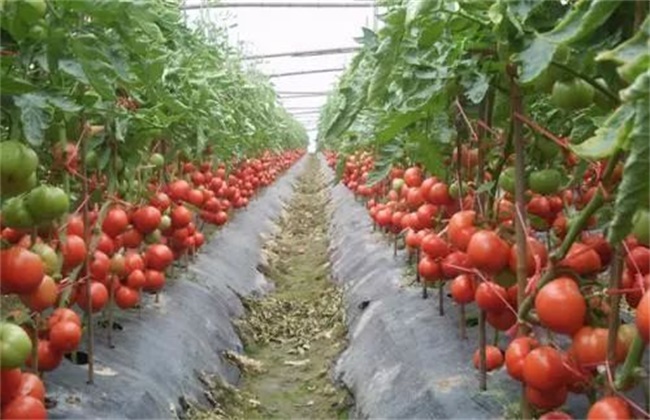
1. Land preparation and seed selection
When intercropping tomatoes with yardlong beans, the selection of the plot is very important. We should mainly choose flat terrain, good drainage and irrigation, and fertile soil. In addition, the soil must not have grown Solanaceae or cucurbit and bean crops within three years. Then deep-plow the soil for land preparation, apply fully decomposed farmyard manure per mu as base fertilizer, combine with an appropriate amount of compound fertilizer, and then open furrows and make beds ready for sowing. After doing the soil work well, it is time to select good varieties. Tomato varieties should have good tolerance to low temperature, weak light, and disease resistance. The selection of yardlong bean varieties is similar to that of tomatoes; only in this way can the normal co-growth of both be ensured.
2. Timely sowing
The sowing times of tomatoes and yardlong beans are somewhat different. When intercropping, we must first sow tomato seeds. Tomatoes generally begin seedling raising in August, then are transplanted in September, and generally can be marketed in February of the following year. Yardlong beans, however, should be raised as seedlings in early February, and the seedling method is mainly plug tray seedling raising, with the seedling age generally about half a month. They can be directly intercropped among tomato plants, and can be harvested and marketed around April. Then when planting, attention should also be paid to controlling the planting density well; the plant and row spacing of tomatoes and yardlong beans should be maintained at about 50*45 cm.
3. Field management
When planting tomatoes, when the tomato seedlings emerge, the temperature should be maintained at about 28°C. When more than about 70% of the tomato seedlings have emerged, the plastic film can be uncovered for ventilation. After the tomato cotyledons expand, the temperature should be appropriately lowered to about 18°C. When about two true leaves have grown, the daytime temperature should be raised again to about 25°C, and the day-night temperature difference should be maintained at 10°C, kept for 2-3 weeks. When planting yardlong beans, before the seedlings emerge, the temperature should be maintained at about 25°C; after emergence, the temperature should be raised by about 2-3°C, and kept at about 15-18°C at night.
4. Timely resting of the greenhouse
After both tomatoes and yardlong beans have been fully harvested and marketed, we should do a good job of resting the greenhouse. Seal all ventilation openings and exits of the greenhouse to avoid air leakage, and watering may be omitted. After applying an appropriate amount of organic fertilizer, rotary-till the soil. The resting period is generally in summer, because the temperature in summer is very high. The temperature in the greenhouse can generally reach about 65°C, so carrying out high-temperature greenhouse sealing can kill pathogens and pests inside the greenhouse. Thereby effectively reducing the occurrence of diseases.
The above is a brief introduction to the cultivation technique of intercropping tomatoes with yardlong beans. That is all for today's introduction. This article is for reference only, and I hope it can help everyone!